
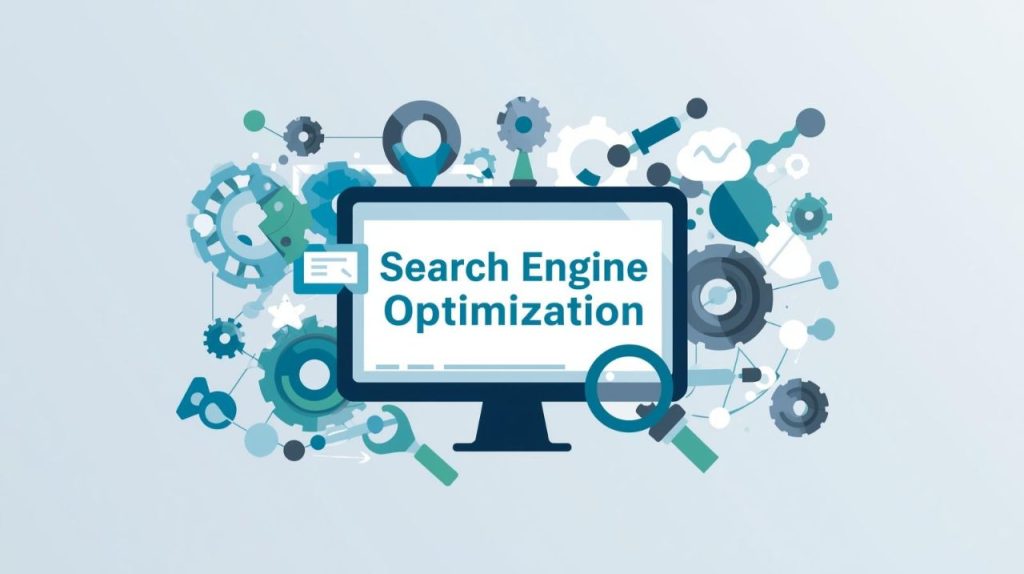
Search Engine Optimization (SEO) is one of the most powerful and cost-effective digital strategies for organizations that want to attract qualified traffic, build credibility, and generate consistent leads. In an increasingly competitive online landscape, appearing prominently in search results is essential for growth across every industry.
Search Engine Optimization focuses on improving a website’s visibility in organic search results by optimizing content, structure, performance, and authority signals. Unlike paid advertising, SEO delivers long-term value by attracting users who are actively searching for solutions, services, or information.
From professional service firms and healthcare providers to nonprofits, manufacturers, and government organizations, Search Engine Optimization helps organizations reach the right audience at the right time.

Search Engine Optimization is the process of improving a website’s ability to rank in search engines such as Google and Bing. Effective SEO combines technical optimization, content strategy, and authority-building to increase organic visibility.
Core components of Search Engine Optimization include:
Keyword research and search intent analysis
On-page optimization (titles, headings, content)
Technical SEO (site speed, indexing, structure)
Content creation and optimization
Local SEO and geographic targeting
Link building and authority development
User experience and engagement optimization
Ongoing analysis and performance improvement
SEO is not a one-time task—it is an ongoing strategy that evolves with search algorithms, competition, and user behavior.
Law firms operate in highly competitive search environments where visibility directly impacts case inquiries. Search Engine Optimization for law firms focuses on ranking for practice areas, locations, and high-intent legal keywords.
SEO strategies include optimizing service pages, attorney profiles, and local listings, as well as publishing authoritative legal content. Technical SEO ensures fast load times, mobile usability, and secure browsing.
With effective Search Engine Optimization, law firms increase qualified leads and establish authority in their practice areas.
Manufacturing organizations often serve niche markets with complex products or services. Search Engine Optimization for manufacturing focuses on technical content, long-tail keywords, and buyer research behavior.
SEO efforts include optimizing product pages, technical documentation, case studies, and industry-specific content. Search Engine Optimization also supports visibility in B2B searches and global markets.
Manufacturers benefit from SEO strategies that attract partners, distributors, and buyers actively researching solutions.
Nonprofits rely on visibility to attract donors, volunteers, and community support. Search Engine Optimization for nonprofits focuses on mission-driven keywords, program visibility, and engagement.
SEO strategies include optimizing donation pages, event listings, educational content, and local visibility. Search Engine Optimization also supports storytelling and awareness-building efforts.
With strong SEO, nonprofits increase reach, engagement, and impact without relying solely on paid advertising.

Retail and hospitality businesses depend on local and transactional search visibility. Search Engine Optimization for retail and hospitality focuses on local SEO, mobile optimization, and conversion-driven content.
SEO strategies include optimizing location pages, service offerings, menus, and reviews.
Search Engine Optimization also supports seasonal campaigns and customer discovery.
Effective SEO drives foot traffic, reservations, and online sales.
Educational institutions use SEO to attract students, parents, and faculty. Search Engine Optimization for schools focuses on program visibility, admissions-related keywords, and informational content.
SEO efforts include optimizing program pages, admissions resources, blogs, and campus information. Technical SEO ensures accessibility, performance, and usability.
Schools benefit from increased awareness and improved communication through organic search visibility.
Accounting firms and financial service providers rely on trust and expertise to attract clients. Search Engine Optimization for accounting and financial services focuses on high-intent service keywords and authoritative content.
SEO strategies include optimizing service pages, educational articles, FAQs, and local listings. Search Engine Optimization also supports compliance-friendly content development.
With strong SEO, financial organizations attract qualified prospects actively seeking professional services.

Construction and engineering firms compete for visibility in both local and regional markets. Search Engine Optimization for construction and engineering focuses on service areas, project experience, and industry expertise.
SEO strategies include optimizing service pages, project portfolios, and location-based content. Search Engine Optimization also supports visibility for commercial and specialty services.
Construction and engineering firms benefit from SEO strategies that generate consistent inquiries and bids.

Government and municipal organizations use SEO to improve public access to information and services. Search Engine Optimization for government offices focuses on clarity, accessibility, and discoverability.
SEO efforts include optimizing service pages, forms, announcements, and emergency information. Technical SEO ensures compliance with accessibility standards and search engine requirements.
Effective SEO improves public engagement and service delivery.
Healthcare organizations rely on search visibility to connect with patients seeking care. Search Engine Optimization for healthcare focuses on service-specific keywords, local visibility, and patient education.
SEO strategies include optimizing service pages, provider profiles, and educational content. Search Engine Optimization also supports reputation management and compliance considerations.
Healthcare providers benefit from increased patient inquiries and improved trust through organic search.
Insurance agencies compete in highly competitive search markets. Search Engine Optimization for insurance agencies focuses on policy-specific keywords, local SEO, and educational content.
SEO strategies include optimizing service pages, quote requests, FAQs, and blog content. Search Engine Optimization also supports lead tracking and conversion optimization.
Insurance agencies gain consistent lead flow and improved visibility through effective SEO.
Organizations that invest in Search Engine Optimization gain:
Increased organic visibility and traffic
Higher-quality leads and inquiries
Improved brand credibility and authority
Long-term marketing ROI
Reduced dependence on paid advertising
Better user experience and site performance
SEO delivers compounding value that grows over time.
Unlike short-term campaigns, Search Engine Optimization builds momentum. Each optimization, content update, and authority signal strengthens long-term performance.
By investing in SEO, organizations create a sustainable digital presence that continues to generate value even as marketing budgets fluctuate.
If your organization wants to increase visibility, attract qualified traffic, and build long-term digital authority, Search Engine Optimization is essential. Across every industry, SEO delivers consistent, measurable growth that supports broader marketing and business goals.