
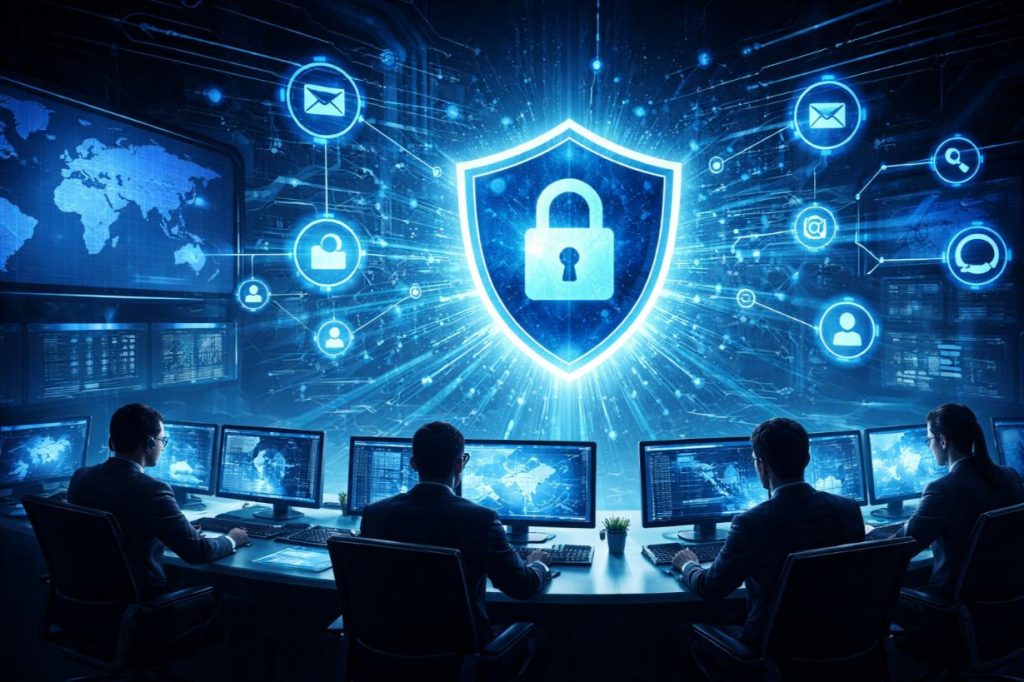
Managed IT Security is no longer optional. As cyber threats grow more sophisticated and regulatory requirements become stricter, organizations across every industry must protect their data, systems, and users proactively. Managed IT Security provides continuous monitoring, threat detection, prevention, and response—ensuring vulnerabilities are addressed before they turn into costly breaches.
Rather than relying on reactive tools or internal teams stretched thin, Managed IT Security delivers a layered, expert-driven approach to cybersecurity. This includes endpoint protection, network security, email security, identity management, and compliance-focused controls tailored to each industry’s risk profile.
From law firms and healthcare providers to manufacturers and government agencies, Managed IT Security ensures business continuity, data integrity, and peace of mind.
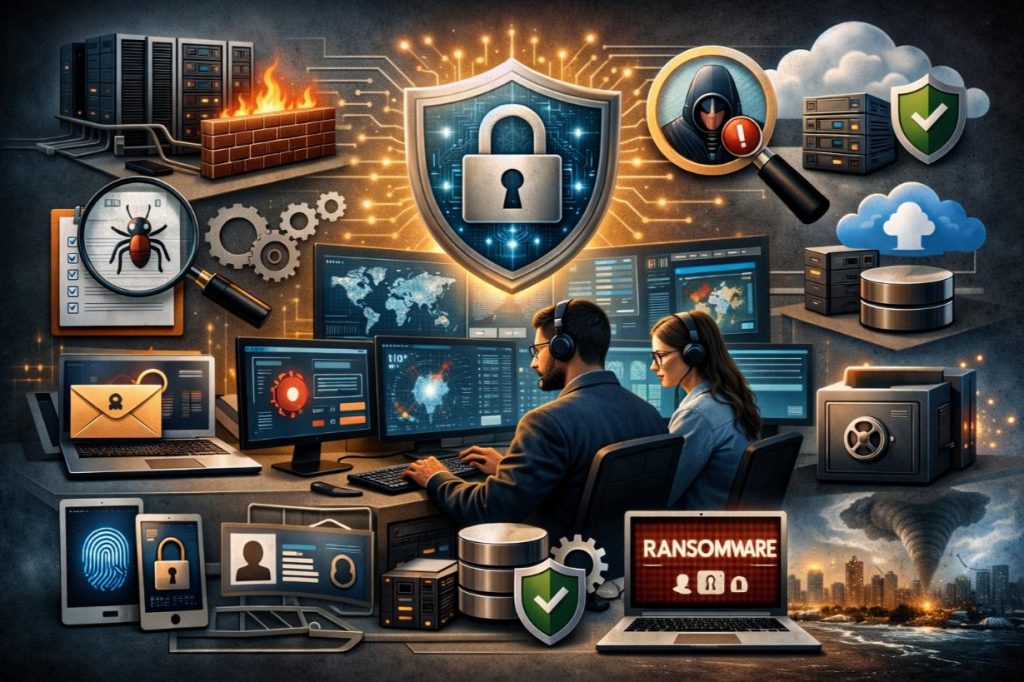
Managed IT Security is a comprehensive cybersecurity service model where a trusted provider actively manages, monitors, and protects an organization’s IT environment. Unlike standalone security software, Managed IT Security combines technology, expertise, and processes into a unified defense strategy.
Core components typically include:
Managed IT Security reduces exposure to cyber threats while aligning security practices with business operations and regulatory obligations.
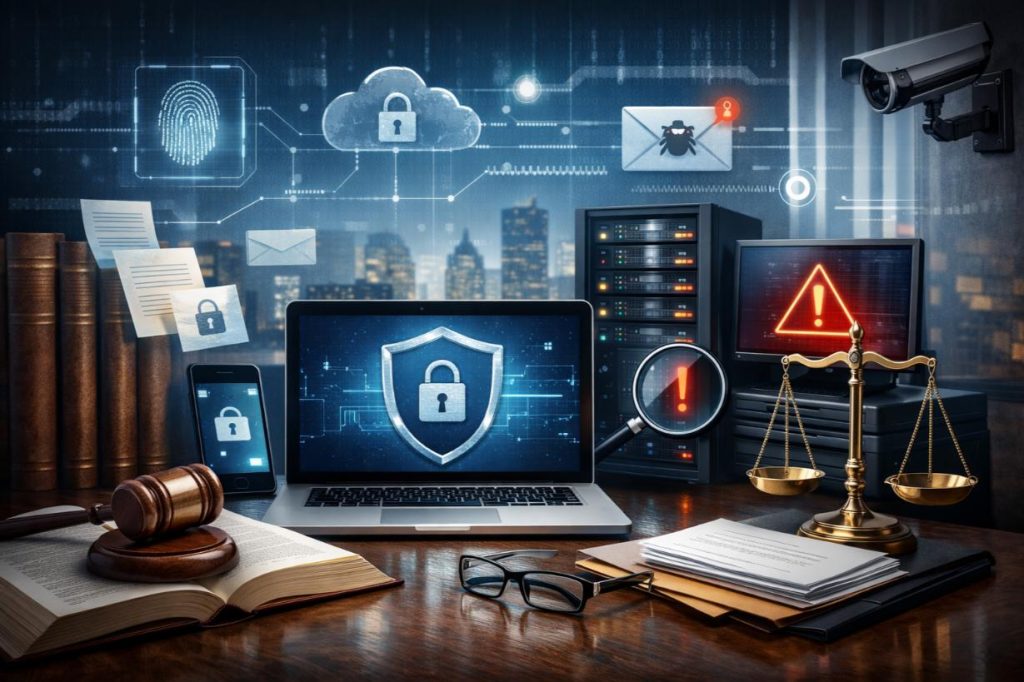
Law firms are prime targets for cybercriminals due to the sensitive nature of client data, legal documents, and financial information. Managed IT Security for law firms focuses on protecting confidentiality while maintaining accessibility for attorneys and staff.
Security measures include encrypted communications, secure document management, advanced email filtering, and continuous monitoring for suspicious activity. Managed IT Security also helps law firms comply with ethical and regulatory standards related to client data protection
By implementing a proactive security strategy, law firms can reduce the risk of data breaches that damage reputation and client trust.
Manufacturers face unique cybersecurity challenges due to the convergence of IT and operational technology (OT). Managed IT Security for manufacturing environments protects production systems, intellectual property, and supply chain data.
Cyberattacks targeting manufacturing operations can halt production, cause financial losses, and compromise safety. Managed IT Security includes network segmentation, real-time monitoring, endpoint protection, and secure remote access for engineers and vendors.
With a proactive security posture, manufacturers can safeguard operations while maintaining productivity and uptime.
Nonprofits often manage donor data, financial records, and beneficiary information but may lack the resources for dedicated cybersecurity teams. Managed IT Security for nonprofits delivers enterprise-grade protection without enterprise-level costs.
Services include endpoint security, secure cloud access, phishing prevention, and data backup. Managed IT Security also helps nonprofits meet compliance requirements and protect stakeholder trust.
By outsourcing security management, nonprofits can focus on their mission while maintaining strong cybersecurity defenses.
Retail and hospitality organizations process high volumes of customer data and payment information, making them frequent targets for cybercrime. Managed IT Security for retail and hospitality protects point-of-sale systems, customer databases, and Wi-Fi networks.
Security strategies include PCI compliance support, network monitoring, intrusion prevention, and ransomware protection. Managed IT Security minimizes the risk of data breaches that disrupt operations and damage brand reputation.
With secure systems in place, retail and hospitality businesses can deliver seamless customer experiences with confidence.
Educational institutions manage student records, staff data, and learning platforms that must remain secure and accessible. Managed IT Security for schools focuses on protecting sensitive information while supporting modern learning environments
This includes secure network access, device management, content filtering, and protection against phishing and ransomware attacks. Managed IT Security also helps schools comply with education data privacy regulations.
By proactively managing cybersecurity, schools reduce disruptions and create a safe digital learning environment.
Accounting firms and financial service providers are subject to strict compliance standards and frequent cyber threats. Managed IT Security for accounting and financial services prioritizes data protection, integrity, and regulatory compliance.
Security measures include encrypted storage, multi-factor authentication, continuous monitoring, and secure remote access. Managed IT Security supports compliance with financial regulations while protecting client financial data.
A proactive security approach ensures trust, reliability, and uninterrupted operations during peak financial cycles.
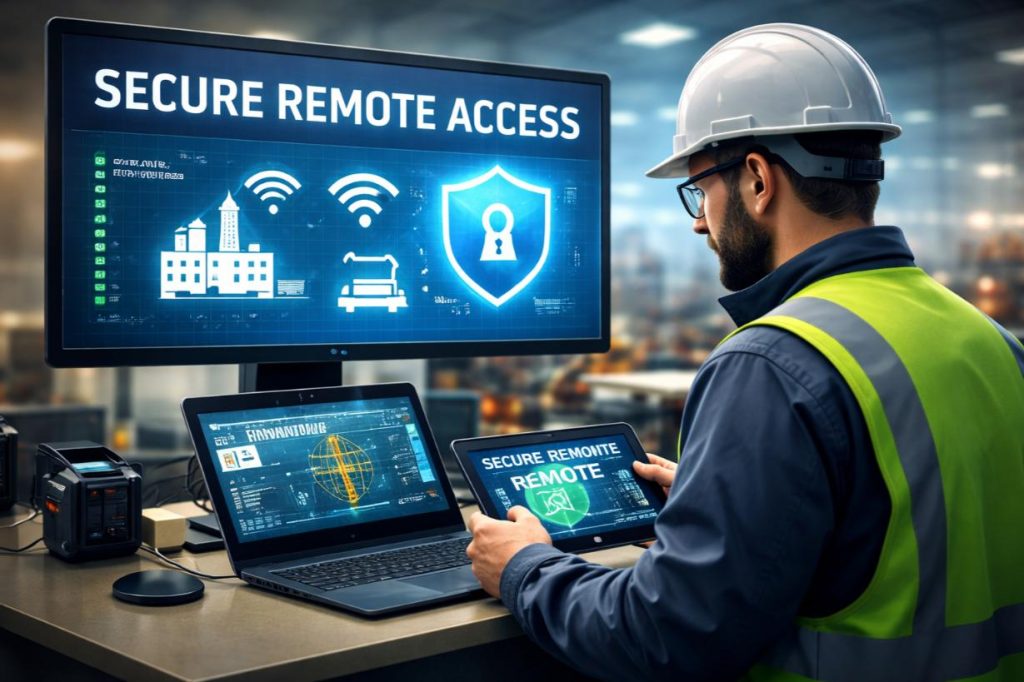
Construction and engineering firms rely on mobile devices, cloud platforms, and remote access across job sites. Managed IT Security for construction and engineering protects sensitive project data while supporting flexible workflows.
Security services include endpoint protection for mobile devices, secure file sharing, identity management, and monitoring for unauthorized access. Managed IT Security prevents data loss and minimizes risk as teams collaborate across locations.
By securing digital assets, construction and engineering firms maintain operational continuity and project integrity.
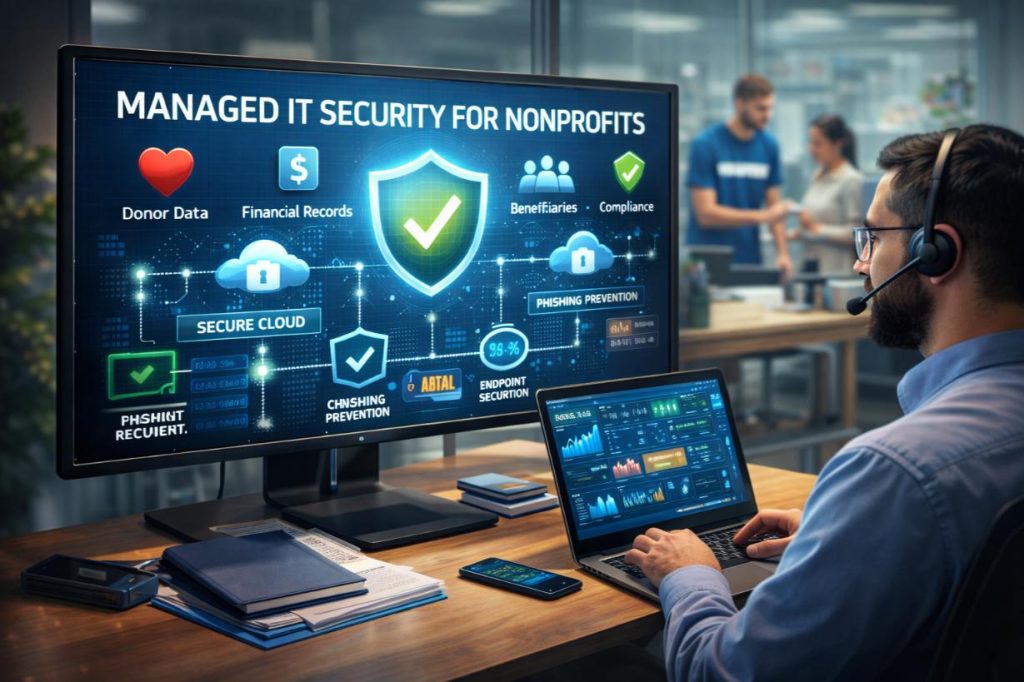
Government and municipal organizations are responsible for safeguarding public data and maintaining essential services. Managed IT Security for government offices provides robust protection against cyber threats while supporting regulatory compliance.
Security strategies include network monitoring, intrusion detection, data encryption, and incident response planning. Managed IT Security also supports legacy systems and modernization initiatives.
With proactive cybersecurity management, government entities can deliver reliable services while protecting public trust.
Healthcare organizations face constant cyber threats and must comply with strict regulations such as HIPAA. Managed IT Security for healthcare focuses on protecting patient data, medical systems, and connected devices.
Services include continuous monitoring, endpoint security, secure access controls, backup solutions, and incident response planning. Managed IT Security reduces the risk of data breaches that compromise patient care and regulatory compliance.
Healthcare providers benefit from secure, reliable systems that support efficient and compliant operations.
Insurance agencies store large volumes of sensitive personal and financial data. Managed IT Security for insurance agencies protects policy systems, customer records, and communication platforms.
Security services include email protection, ransomware defense, identity management, and compliance support. Managed IT Security minimizes downtime and ensures data remains protected against evolving threats.
By outsourcing cybersecurity, insurance agencies enhance resilience while maintaining efficient client service.
Cyber threats continue to evolve, and no organization is immune. Managed IT Security delivers:
Organizations that invest in Managed IT Security gain a strategic advantage by protecting operations, reputation, and revenue.
Reactive security measures are no longer sufficient. Managed IT Security provides continuous improvement, adapting defenses as threats and technologies change.
By partnering with a Managed IT Security provider, organizations gain access to expertise, tools, and processes that would be difficult to maintain internally. This partnership ensures cybersecurity remains aligned with business objectives
If your organization needs stronger protection, compliance support, and proactive threat management, Managed IT Security is the solution. Across every industry, a managed security approach delivers resilience, confidence, and long-term stability in an increasingly digital world.