

Information technology (IT) is the use of any computers, storage, networking and other physical devices, infrastructure and processes to create, process, store, secure and exchange all forms of electronic data. Typically, IT is used in the context of enterprise operations as opposed to personal or entertainment technologies. The commercial use of IT encompasses both computer technology and telephony.
The term information technology was coined by the Harvard Business Review, in order to make a distinction between purpose-built machines designed to perform a limited scope of functions and general-purpose computing machines that could be programmed for various tasks. As the IT industry evolved from the mid-20th century, computing capability advanced while device cost and energy consumption fell lower, a cycle that continues today when new technologies emerge.
IT includes several layers of physical equipment (hardware), virtualization and management or automation tools, operating systems and applications (software) used to perform essential functions. User devices, peripherals and software, such as laptops, smartphones or even recording equipment, can be included in the IT domain. IT can also refer to the architectures, methodologies and regulations governing the use and storage of data.
Business applications include databases like SQL Server, transactional systems such as real-time order entry, email servers like Exchange, Web servers like Apache, customer relationship management and enterprise resource planning systems. These applications execute programmed instructions to manipulate, consolidate, disperse or otherwise affect data for a business purpose.
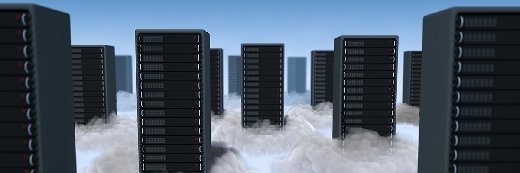
Computer servers run business applications. Servers interact with client users and other servers across one or more business networks. Storage is any kind of technology that holds information as data. Information can take any form including file data, multimedia, telephony data and Web data, data from sensors or future formats. Storage includes volatile random access memory (RAM) as well as non-volatile tape, hard disk and solid-state flash drives.
IT architectures have evolved to include virtualization and cloud computing, where physical resources are abstracted and pooled in different configurations to meet application requirements. Clouds may be distributed across locations and shared with other IT users, or contained within a corporate data center, or some combination of both deployments.
A team of administrators and other technical staffers deploy and manage the company’s IT infrastructure and assets. IT teams depend on a wide range of specialized information and technology skills and knowledge to support equipment, applications and activities. Third-party contractors and IT vendor support personnel augment the IT team.
The information technology profession is extremely diverse. IT workers can specialize in fields like software development, application management, hardware components such as desktop support, server or storage administrator and network architecture. Many businesses seek IT professionals with mixed or overlapping skill sets.
Common IT careers:
Chief information officer: This person is responsible for IT and computer systems that support the enterprise’s goals.
Chief technology officer: This person sets all technology goals and policies within an organization.
IT director: This person is responsible for the function of all of the business’s technology tools and processes. This role is commonly called IT manager or IT leader.
Systems administrator: This person configures, manages, supports and troubleshoots a multi-user computing environment. Within an enterprise, this role can be segmented by technology, requiring an administrator or team dedicated to server, desktop, network, virtualization or other components.
Application manager: This person’s role centers on the provisioning and management of a high-value business application, such as Exchange.
Developer: This person or team writes, updates and tests code for programs to meet business objectives internally or facing customers.
Architect: This person examines and changes IT functions to best support the business.