

Web Design is no longer just about aesthetics—it is a critical business tool that influences credibility, user experience, search visibility, and conversion rates. In today’s digital-first environment, your website is often the first interaction potential clients, customers, or constituents have with your organization.
Professional Web Design combines visual branding, usability, performance, accessibility, and conversion strategy into a single cohesive experience. Across every industry, effective Web Design builds trust, communicates value, and guides users toward meaningful action.
From service-based organizations and professional firms to healthcare providers, nonprofits, and government agencies, Web Design plays a direct role in growth, engagement, and long-term success.

Web Design is the process of planning, designing, and structuring a website to deliver an optimal user experience while supporting business goals. Unlike template-based or DIY websites, professional Web Design is built around strategy, performance, and scalability.
Key components of professional Web Design include:
User experience (UX) and user interface (UI) design
Mobile-responsive layouts
Page speed and performance optimization
Accessibility and usability standards
Conversion-focused layout and messaging
Brand consistency and visual hierarchy
SEO-friendly structure and navigation
Secure and scalable architecture
Effective Web Design ensures your website looks professional, functions smoothly, and supports marketing and operational objectives.
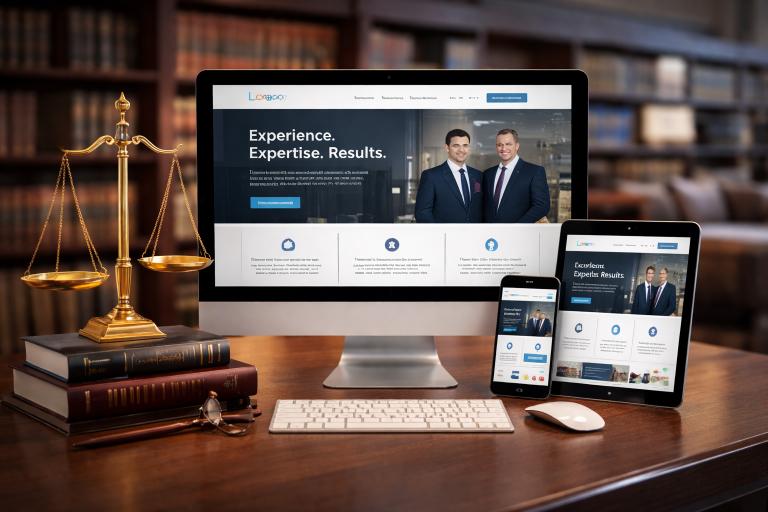
Law firm websites must establish credibility, professionalism, and trust immediately. Web Design for law firms focuses on clear messaging, easy navigation, and strong calls to action for consultations and inquiries.
Design considerations include attorney profiles, practice area pages, secure contact forms, and mobile responsiveness for users searching on the go. Web Design also supports search engine optimization to improve visibility for legal services.
A professionally designed law firm website positions the firm as credible, accessible, and client-focused.
Manufacturing websites must communicate capability, reliability, and technical expertise. Web Design for manufacturing focuses on clear presentation of products, services, certifications, and operational strengths.
Design elements often include product catalogs, technical specifications, case studies, and streamlined contact pathways. Web Design also supports integration with ERP systems, portals, and lead-generation tools.
Manufacturers benefit from websites that clearly communicate value to partners, distributors, and customers.

Nonprofit websites play a vital role in storytelling, fundraising, and engagement. Web Design for nonprofits focuses on emotional connection, clarity of mission, and ease of participation.
Design strategies include donation funnels, volunteer sign-ups, event promotion, and impact storytelling. Web Design also emphasizes accessibility and usability for diverse audiences.
A well-designed nonprofit website increases donations, engagement, and community support.
Retail and hospitality websites must deliver fast, intuitive, and engaging user experiences. Web Design for retail and hospitality focuses on showcasing offerings, driving reservations or purchases, and supporting customer interaction.
Design elements include mobile optimization, intuitive navigation, booking systems, menus, and location-based information. Web Design also supports seasonal promotions and integration with third-party platforms.
Effective Web Design enhances customer experience and drives revenue.
Educational institutions rely on websites to communicate with students, parents, staff, and the community. Web Design for schools focuses on clarity, accessibility, and ease of information access.
Design strategies include organized navigation, calendar integration, enrollment information, and resource portals. Web Design also ensures compliance with accessibility standards and mobile usability.
Schools benefit from websites that serve as reliable information hubs and engagement tools.
Accounting and financial services websites must convey trust, accuracy, and professionalism. Web Design for accounting and financial firms focuses on clean layouts, clear service descriptions, and secure client interactions.
Design elements include service breakdowns, client portals, appointment scheduling, and educational resources. Web Design also supports SEO to attract high-intent prospects.
A professional website reinforces credibility and supports client acquisition.

Construction and engineering websites must highlight expertise, project experience, and reliability. Web Design for construction and engineering focuses on visual storytelling, portfolio presentation, and lead generation.
Design features include project galleries, service descriptions, certifications, and easy contact options. Web Design also supports mobile access for users on job sites.
These websites position firms as capable, experienced, and trustworthy partners.

Government and municipal websites must prioritize accessibility, clarity, and reliability. Web Design for government offices focuses on public service delivery and information transparency.
Design strategies include clear navigation, service directories, forms, and emergency communication features. Web Design also ensures compliance with accessibility and usability standards.
Well-designed government websites improve public access and trust.
Healthcare websites must balance professionalism, accessibility, and patient engagement. Web Design for healthcare focuses on ease of use, appointment scheduling, and clear communication.
Design elements include service information, provider profiles, patient resources, and secure contact forms. Web Design also supports mobile access and patient experience optimization.
Healthcare organizations benefit from websites that improve patient engagement and operational efficiency.
Insurance agency websites must clearly communicate services, build trust, and support client interaction. Web Design for insurance agencies focuses on clarity, responsiveness, and conversion optimization.
Design features include service explanations, quote request forms, client portals, and educational content. Web Design also supports SEO and lead tracking.
A professional website helps insurance agencies attract and retain clients.
Organizations that invest in professional Web Design gain:
Improved credibility and brand trust
Higher engagement and lower bounce rates
Better mobile and user experiences
Increased lead generation and conversions
Stronger SEO performance
Scalable digital foundations
Web Design directly impacts how users perceive and interact with your organization.
A website is not a static asset—it is a dynamic growth tool. Strategic Web Design ensures your site evolves with your business, supports marketing efforts, and adapts to changing user behavior.
By aligning design with business objectives, organizations turn websites into powerful engines for engagement and revenue.
If your organization needs a website that builds trust, attracts the right audience, and converts visitors into clients or customers, professional Web Design is essential. Across every industry, effective Web Design delivers measurable results and long-term value.