

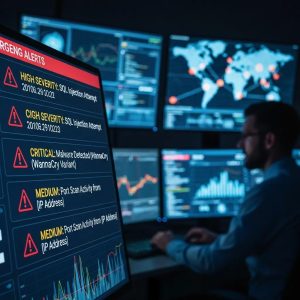
As remote work becomes a permanent fixture in modern business, cybersecurity challenges have taken on unprecedented urgency. Remote teams rely heavily on digital tools, cloud platforms, and virtual communication, making businesses more vulnerable to cyber threats such as phishing attacks, data breaches, and ransomware. For businesses of all sizes, implementing robust cybersecurity practices is no longer optional—it’s essential. This comprehensive guide explores the cybersecurity challenges faced by remote teams and provides actionable strategies to safeguard your business from threats.
Remote work has grown exponentially due to advancements in technology and shifting workplace dynamics. While offering flexibility and increased productivity, this model also introduces unique cybersecurity risks.
With remote teams, employees connect from various locations, devices, and networks. Unlike the controlled environment of an office, these diverse access points create an expanded attack surface for cybercriminals.
In traditional office environments, measures such as surveillance systems, badge-based entry, and on-site IT staff ensure physical security. Remote work removes these layers of protection.
Cybercriminals often exploit human vulnerabilities to breach systems. Remote workers are particularly susceptible due to the lack of immediate supervision or assistance from IT personnel.
Shadow IT refers to employees using unapproved applications or tools for work. While these tools may improve productivity, they can bypass corporate security protocols.
Understanding the specific threats that target remote teams is the first step in protecting your business.
Phishing and social engineering attacks rely on deception to manipulate employees into revealing sensitive information or downloading malware.
Malware refers to malicious software designed to harm or exploit devices. Ransomware, a subset of malware, encrypts files and demands payment for their release.
Passwords remain a primary line of defense, but weak or reused credentials are easily compromised.
Remote employees often rely on Wi-Fi networks to access company resources. However, many networks lack robust security.
Insider threats include actions by employees, contractors, or business partners that compromise security.
Implementing proactive measures is crucial for safeguarding your business against cyber threats. Below are detailed strategies for enhancing cybersecurity in a remote work environment.
A cybersecurity policy outlines the rules and procedures employees must follow to maintain security.
Endpoint devices are the primary tools employees use to perform their tasks. Securing these devices minimizes vulnerabilities.
MFA requires employees to verify their identity through two or more authentication factors, such as passwords and one-time codes.
Securing communication channels ensures sensitive information exchanged between employees remains private.
Limiting access to sensitive data minimizes exposure and prevents unauthorized usage.
Human error is a leading cause of cybersecurity breaches. Educating your remote workforce on best practices is one of the most effective ways to mitigate risks.
Security training keeps employees informed about the latest threats and best practices for avoiding them.
Encouraging employees to view cybersecurity as a shared responsibility fosters vigilance and compliance.
Make it easy for employees to access the tools and support they need to maintain security.
Cloud platforms and collaboration tools are indispensable for remote teams. However, their widespread use also makes them attractive targets for cybercriminals.
Partnering with trustworthy providers ensures your data is protected by enterprise-grade security measures.
Cloud platforms often include security features that businesses can activate to enhance protection.
Backups are essential for mitigating data loss due to cyberattacks, hardware failures, or human error.
Even with the best precautions, no system is entirely immune to cyber threats. Establishing a robust incident response plan ensures your business can minimize damage and recover quickly.
A detailed plan provides a step-by-step guide for handling security breaches.
Acting swiftly to contain the threat prevents further damage to systems or data.
Post-incident analysis is crucial for identifying weaknesses and preventing future breaches.
As technology evolves, so do cybersecurity threats and solutions. Staying ahead of emerging trends is crucial for maintaining robust defenses.
Zero Trust models assume that no user or device is trustworthy by default. This approach requires continuous verification for every access request.
Artificial intelligence is transforming the cybersecurity landscape by enabling real-time threat detection and response.
Biometric technologies are becoming more accessible and reliable for securing remote devices.
Cybersecurity is no longer a back-office concern—it is a strategic imperative for businesses, particularly in the era of remote work. As organizations embrace remote teams for their flexibility, cost-effectiveness, and talent access, they must confront a dynamic and ever-evolving threat landscape. Cybersecurity, therefore, is not just about installing antivirus software or firewalls; it’s about embedding security into the fabric of your remote work culture, systems, and processes.
Securing your business requires a comprehensive and multi-layered approach. The steps outlined in this article—from implementing strong endpoint protections and adopting multi-factor authentication to training employees and securing cloud platforms—are not just recommendations but critical components of a robust cybersecurity strategy. These measures help businesses mitigate risks, protect sensitive data, and foster trust among clients and partners.
However, cybersecurity is not a one-time investment or a static solution. The cyber threat landscape evolves rapidly, with new vulnerabilities and attack vectors emerging every day. Remote work, with its reliance on diverse networks, personal devices, and collaborative tools, presents unique challenges that require continuous attention. Organizations must stay ahead by regularly updating policies, adopting advanced tools like artificial intelligence for threat detection, and embracing frameworks such as Zero Trust Architecture.
Building a culture of security is equally crucial. Employees are the first line of defense, and their vigilance can often make the difference between thwarting a cyberattack and falling victim to it. Frequent training sessions, real-world simulations, and clear incident reporting protocols empower teams to act responsibly and confidently in the face of threats.
Moreover, organizations must be prepared for the inevitable. Despite best efforts, breaches can and do happen. Having a well-documented incident response plan ensures your business can respond quickly, minimize damage, and learn from the experience to prevent recurrence. This proactive approach strengthens your organization’s resilience against future threats.
Looking forward, advancements in cybersecurity tools, such as biometric authentication, AI-driven threat detection, and blockchain for data integrity, promise to bolster defenses for remote teams. Businesses that invest in these technologies will not only protect their operations but also gain a competitive edge in the marketplace by demonstrating their commitment to security and customer trust.
In the end, cybersecurity is about more than technology—it’s about protecting your organization’s most valuable assets: its people, data, and reputation. By prioritizing cybersecurity today, you lay the foundation for long-term success, enabling your remote teams to work efficiently and securely in an increasingly digital world. With the right strategies and a forward-thinking mindset, businesses can turn the challenges of remote work into opportunities for growth, innovation, and resilience.