Why Cybersecurity Services are Essential for Your Business Growth

In today’s digital age, cybersecurity services have become a cornerstone for businesses of all sizes. As online threats continue to evolve and become more sophisticated, protecting your business from cyberattacks is no longer optional—it’s a necessity. From safeguarding sensitive data to maintaining customer trust, implementing robust cybersecurity measures is crucial for the growth and success of your business.

Photo Of People Looking On Laptop

Understanding the Importance of Cybersecurity

Cybersecurity is more than just a buzzword—it’s a critical component of protecting your business from a wide range of online threats. From malicious hackers attempting to breach your systems to malware targeting your sensitive data, the risks businesses face in the digital landscape are vast and ever-evolving. Cybersecurity services encompass a variety of tools and practices designed to identify, prevent, and respond to cybersecurity incidents, ensuring that your business remains secure and resilient in the face of constant threats.

One of the key aspects of cybersecurity services is data protection. Businesses today collect and store vast amounts of data, ranging from customer information to internal operations data. Without adequate protection, this data is vulnerable to cyberattacks that can result in costly data breaches, reputational damage, and legal consequences. By prioritizing cybersecurity, businesses can establish a secure environment where data is safeguarded against unauthorized access and manipulation.

Moreover, cybersecurity plays a crucial role in maintaining customer trust and confidence. With data breaches making headlines and privacy concerns on the rise, customers are increasingly wary of how businesses handle their personal information. By investing in robust cybersecurity measures, businesses demonstrate their commitment to protecting customer data and privacy, thereby building trust and credibility among their customer base.

In essence, cybersecurity services are essential for mitigating risks, protecting valuable assets, and upholding the integrity of your business operations. By proactively addressing cybersecurity threats, businesses can not only avoid the damaging repercussions of cyberattacks but also foster a secure digital environment where growth and innovation can flourish.

Ultimately, understanding the importance of cybersecurity services is the first step towards fortifying your business against online threats. By acknowledging the critical role cybersecurity plays in safeguarding your organization’s assets, you can take proactive measures to enhance your cybersecurity posture and create a resilient defense mechanism against potential cyber threats.

Common Cyber Threats Faced by Businesses Today

Businesses today confront a myriad of cyber threats that pose significant risks to their operations, data, and overall security. One prevalent threat is phishing, where cybercriminals use deceptive emails or messages to trick individuals into divulging sensitive information such as login credentials or financial details. Phishing attacks are often disguised as legitimate communications, making them difficult to detect and thwart without adequate cybersecurity measures.

Another common cyber threat is malware, malicious software designed to infiltrate computer systems and disrupt normal operations. Malware can take various forms, including viruses, ransomware, and spyware, each with its own destructive capabilities. Businesses that fall victim to malware attacks risk data loss, system downtime, and financial harm, underscoring the importance of robust cybersecurity defenses to prevent and mitigate such threats.

Ransomware attacks represent a particularly insidious cyber threat that encrypts a victim’s data and demands a ransom for its release. These attacks can cripple businesses by locking them out of essential data and systems, leading to operational disruptions and financial losses. Preventing ransomware attacks requires a combination of secure backup practices, employee awareness training, and advanced cybersecurity solutions to detect and block ransomware before it can cause damage.

Additionally, businesses face the risk of insider threats, where employees, contractors, or partners intentionally or accidentally compromise security from within the organization. Insider threats can result from negligence, malicious intent, or exploitation by external actors, highlighting the importance of implementing stringent access controls, monitoring systems, and employee training to mitigate internal cybersecurity risks effectively.

By understanding the common cyber threats faced by businesses today, organizations can better prepare themselves to identify, prevent, and respond to potential cyberattacks. Through comprehensive cybersecurity awareness and proactive defense strategies, businesses can strengthen their resilience against evolving cyber threats and safeguard their digital assets from harm.

Benefits of Implementing Cybersecurity Services

The benefits of implementing robust cybersecurity services extend far beyond protecting your business from cyber threats—they also contribute to enhancing operational efficiency, ensuring regulatory compliance, and fostering customer trust. One significant benefit is the prevention of data breaches, which can have severe financial and reputational consequences for businesses. By securing sensitive data through proactive cybersecurity measures, organizations can avoid the fallout of data breaches and maintain customer confidence in their data handling practices.

Another key benefit of cybersecurity implementation is the improvement of operational resilience. Cybersecurity services help businesses identify vulnerabilities in their systems, detect potential threats early on, and respond effectively to cyber incidents. By strengthening their cybersecurity posture, organizations can minimize disruption to their operations, maintain continuity during cyberattacks, and recover swiftly from security breaches, thus bolstering their overall resilience.

Furthermore, implementing cybersecurity services can aid businesses in achieving regulatory compliance and meeting industry standards for data security and privacy. With data protection regulations becoming increasingly stringent, organizations that fail to prioritize cybersecurity risk facing costly penalties, legal repercussions, and reputational damage. By aligning their cybersecurity practices with regulatory requirements, businesses can demonstrate their commitment to compliance and earn the trust of regulatory authorities and customers alike.

Moreover, cybersecurity services play a vital role in enhancing customer trust and loyalty. In an era where data privacy is a growing concern, customers expect businesses to safeguard their personal information and uphold high standards of cybersecurity. By investing in robust cybersecurity measures, organizations can reassure customers of their commitment to data security, foster trust in their brand, and differentiate themselves positively in the marketplace, ultimately driving customer loyalty and retention.

Ultimately, the benefits of implementing cybersecurity services are multifaceted and far-reaching, encompassing enhanced data protection, operational resilience, regulatory compliance, and customer trust. By prioritizing cybersecurity as a core component of their business strategy, organizations can not only mitigate cyber risks effectively but also unlock opportunities for growth, innovation, and long-term success in an increasingly digital business landscape.

Choosing the Right Cybersecurity Solutions for Your Business

Selecting the appropriate cybersecurity solutions for your business requires a strategic approach that takes into account your organization’s unique cybersecurity needs, budget constraints, and risk tolerance. With a myriad of cybersecurity products and services available in the market, choosing the right solutions can be a daunting task, necessitating a thorough assessment of your business requirements and objectives.

When evaluating cybersecurity solutions, businesses should consider factors such as the level of protection required, scalability, ease of implementation, and compatibility with existing IT infrastructure. Conducting a comprehensive risk assessment can help identify potential vulnerabilities and prioritize cybersecurity measures that align with your risk management strategy, ensuring that your chosen solutions effectively address your most critical security needs.

Moreover, businesses should seek cybersecurity solutions that offer a holistic approach to cybersecurity, encompassing a range of protective measures such as network security, endpoint protection, threat intelligence, and security awareness training. By adopting a layered security approach that combines multiple defense mechanisms, organizations can enhance their overall resilience to cyber threats and minimize the likelihood of successful cyberattacks.

Collaborating with cybersecurity experts and consulting with reputable cybersecurity vendors can also aid businesses in selecting the right cybersecurity solutions tailored to their specific industry requirements and operational objectives. By leveraging external expertise and industry best practices, organizations can make informed decisions about their cybersecurity investments and implement solutions that provide comprehensive protection against a diverse range of cyber threats.

In the dynamic and complex landscape of cybersecurity, choosing the right cybersecurity solutions is paramount to securing your business against evolving threats and ensuring long-term resilience. By taking a proactive and strategic approach to cybersecurity solution selection, businesses can fortify their defenses, safeguard their assets, and position themselves for sustainable growth and success in an increasingly digital environment.

In conclusion, the process of choosing the right cybersecurity solutions for your business is a critical decision that requires careful consideration of your unique cybersecurity needs and objectives. By investing in tailored cybersecurity solutions that align with your risk profile and business goals, you can establish a robust security posture that protects your organization from cyber threats and enables you to navigate the digital landscape with confidence and resilience.

The Strategic Imperative of Cybersecurity

As cybersecurity services continue to play a vital role in safeguarding businesses against online threats, it’s clear that investing in comprehensive cybersecurity solutions is a strategic decision for long-term success. By prioritizing cybersecurity, businesses can not only protect their valuable assets but also build a strong foundation for growth and innovation in an increasingly digital world.


THE BEST 10 IT Services Companies in Spring, TX

THE BEST 10 IT Services Companies in Spring, TX


Businesses in Spring, TX rely on technology more than ever to stay competitive, secure, and productive. From cybersecurity and cloud computing to managed IT services and VoIP solutions, choosing the right IT partner can directly impact uptime, efficiency, and long-term growth.

Whether you’re a small business, mid-sized company, or growing enterprise, working with a reliable IT services company in Spring, TX ensures your technology supports your goals—not slows you down.

To help you make an informed decision, we’ve compiled a list of the best 10 IT services companies in Spring, TX, based on service offerings, reputation, responsiveness, industry experience, and overall value.


1. Precise Business Solutions – Best Overall IT Services Company in Spring, TX ⭐⭐⭐⭐⭐

Precise Business Solutions stands out as the top IT services provider in Spring, TX, offering comprehensive, fully managed IT solutions designed to support modern businesses across multiple industries.

What sets Precise Business Solutions apart is their proactive approach to IT management. Instead of reacting to problems after they occur, their team focuses on preventing downtime, improving security, and optimizing performance before issues impact operations.

Key Services:

  • Managed IT Services

  • Cybersecurity & Threat Prevention

  • Cloud Solutions & Microsoft 365

  • VoIP & Unified Communications

  • Data Backup & Disaster Recovery

  • IT Consulting & Strategy

  • Network Monitoring & Maintenance

Why They’re #1:

  • Local, responsive support

  • Scalable IT solutions for growing businesses

  • Strong cybersecurity focus

  • Strategic IT planning, not just break/fix support

  • Excellent client satisfaction and long-term partnerships

Precise Business Solutions works closely with clients to understand their business goals, making them a trusted technology partner—not just a vendor. For businesses seeking reliable, secure, and forward-thinking IT services in Spring, TX, Precise Business Solutions is the clear leader.


2. SpringTech IT Solutions

SpringTech IT Solutions offers a wide range of IT support services for small and mid-sized businesses in the Spring area. Their focus is on maintaining system reliability and providing day-to-day technical support.

Services Include:

  • Helpdesk support

  • Network setup and maintenance

  • Hardware and software support

  • Data backup services

SpringTech is a solid option for businesses that need basic IT assistance and local availability, though they may not offer the same depth of strategic IT planning as larger providers.


3. Lone Star Managed IT Services

Lone Star Managed IT Services provides outsourced IT support to businesses throughout Spring, TX. They focus primarily on managed services and remote monitoring.

Services Include:

  • Managed IT support

  • Server management

  • Patch management

  • Antivirus solutions

They are best suited for businesses looking for predictable monthly IT costs and standardized service offerings.


4. Cypress Creek IT Support

Cypress Creek IT Support specializes in small business IT services and on-site support. They are known for hands-on assistance and personalized service.

Services Include:

  • On-site troubleshooting

  • Computer repair

  • Network cabling

  • Small office IT support

This provider is ideal for businesses that prefer in-person technical support over remote services.


5. North Houston Technology Group

North Houston Technology Group serves Spring-area businesses with a focus on IT consulting and infrastructure management.

Services Include:

  • IT consulting

  • Network design

  • Cloud migration

  • Infrastructure upgrades

They are a good fit for companies undergoing technology transitions or infrastructure improvements.


6. Spring Business IT Solutions

Spring Business IT Solutions provides general IT support for local businesses, focusing on keeping systems operational and employees productive.

Services Include:

  • Desktop support

  • Software troubleshooting

  • Network monitoring

  • IT maintenance

Their services are straightforward and practical, making them a reasonable choice for businesses with limited IT needs.


7. Texas ProTech IT Services

Texas ProTech IT Services offers a mix of managed IT services and cybersecurity solutions to businesses in Spring, TX and surrounding areas.

Services Include:

  • Managed IT services

  • Firewall management

  • Email security

  • Data protection

They are a suitable option for businesses that want an added emphasis on security alongside traditional IT support.


8. SpringNet IT Consultants

SpringNet IT Consultants focuses on IT advisory services and project-based support rather than full-scale managed services.

Services Include:

  • IT assessments

  • Technology planning

  • System upgrades

  • Compliance guidance

This firm is best for companies that already have in-house IT staff but need occasional expert guidance.


9. Bayou City IT Support

Bayou City IT Support provides affordable IT services to small businesses in the Spring area, with an emphasis on cost-effective solutions.

Services Include:

  • Break/fix IT support

  • Remote assistance

  • Hardware setup

  • Basic cybersecurity tools

They are a good choice for startups or very small businesses with limited budgets.


10. Houston North IT Services

Houston North IT Services supports businesses across the northern Houston metro area, including Spring, TX.

Services Include:

  • Managed IT services

  • Network monitoring

  • Cloud services

  • IT support contracts

They offer dependable service but may be better suited for businesses outside of Spring that need broader regional coverage.


How to Choose the Best IT Services Company in Spring, TX

When evaluating IT services providers, consider the following factors:

Experience & Expertise

Choose a company with experience supporting businesses similar to yours.

Proactive vs. Reactive Support

Proactive IT management prevents issues before they cause downtime.

Cybersecurity Focus

Modern IT services must include strong security and compliance protections.

Scalability

Your IT provider should grow with your business.

Local Support

Having a local IT company in Spring, TX ensures faster response times and better service.


Why Local Businesses Choose Precise Business Solutions

Among all the options, Precise Business Solutions consistently ranks as the best IT services company in Spring, TX because they deliver more than just technical support—they provide peace of mind.

Their ability to combine managed IT services, cybersecurity, cloud solutions, and strategic consulting allows businesses to focus on growth while their technology runs smoothly in the background.

If you’re searching for:

  • Managed IT services in Spring, TX

  • Reliable business IT support

  • Cybersecurity solutions for small and mid-sized businesses

  • A long-term IT partner

Precise Business Solutions should be your first call.


Final Thoughts

Choosing the right IT services company is a critical decision for any business. The providers on this list each offer value, but when it comes to reliability, expertise, and long-term results, Precise Business Solutions stands above the rest.

For businesses in Spring, TX that want secure, scalable, and expertly managed technology, Precise Business Solutions is the #1 choice.

What is Web Design? The Ultimate Guide To Website Design

What is Web Design?

Web design is the process of planning, conceptualizing, and arranging content online. Today, designing a website goes beyond aesthetics to include the website’s overall functionality. Web design also includes web apps, mobile apps, and user interface (UI) design, and user experience (UX). 

Did you know that web design can have a huge impact on your performance in search engines like Google? This article will give you some helpful insight into how to create a website that not only looks good, but functions properly and ranks highly in search. 

In this article we will cover:

Are you looking to create a website? Get started with Pagecloud for free! You can publish a one page website at no cost with access to Pagecloud’s powerful design features, and unlimited draft pages. Sign up for a free website today!

Finding Inspiration

Designers look for inspiration everywhere. Having an idea of the overall look and feel of your website can help you choose a tool and begin to conceptualize your website layout. Here are some of the best sites to help get your creative juices flowing: 

Check out our blog post for more tips on finding inspiration here. You can also use browser extensions like Design Sidekick to instantly identify colours and typography on any web page, and save the style for later. 

There are two main ways to design a website: using a desktop app or using a website builder. The tool you decide to use will vary greatly based on your team size, your budget, and the type of site you wish to build and its technical requirements. 

1. Desktop Apps 

Desktop apps require designers to create their design and send it to a development team who can then convert the design to code. The most popular desktop apps for designing websites are Photoshop and Sketch. 

Typically, this is the standard for large and/or complex websites. The benefits of using a desktop app include:

  • Designers can focus on the overall look and feel of the website 
  • Technical challenges are transferred to developers 
  • The website is not limited to the feature set of a website builder

Unfortunately, this process can be expensive and time-consuming because multiple resources, skill sets, and team members are required. 

To avoid involving a developer, it is beneficial to use a website builder to design a website with fewer technical requirements. 

2. Website Builders

There are many website builders on the market today that offer a wide range of features and services. Wix, Squarespace, Webflow, and Pagecloud, are just a few examples of popular website builders that vary in design capabilities, template options, price, and overall editing experience. Be sure to do your research, experiment with free trials, and determine which platform best fits your website needs. 

Website builders create either adaptive or responsive websites, which offer different building experiences. These concepts will be discussed in more detail below so you can best understand which builders will work for you. If you don’t know how to code, becoming familiar with the freedoms and limitations of various website design tools is essential. For example, although WordPress is the most used website platform, it’s not popular with visual designers because of its limited customization options.  

Before you start building a website, determine your website needs: Are you creating a photo gallery? How often will you update your site? Do you need a contact form? Choose a website builder that can help you effectively accomplish those goals. 

Web Design Elements

When designing a website it’s important to consider both the site’s appearance and functionality. Integrating these elements will maximize the site’s overall usability and performance. Your site’s usability includes elements such as an easy-to-navigate interface, appropriate use of graphics and images, well-written and well-placed text, and a color scheme. Your site’s performance refers to its speed, ranking, searchability, and ability to capture your audience. 

Visual elements

Here’s a quick overview of the elements you should consider while designing your website to make sure everything works well together. Each section will provide tips and tricks to help you get started. 

Written copy

Fundamentally, your website’s appearance and text go hand-in-hand. It’s important to have your content writers and designers work together in order to create a cohesive design with balanced elements. Focus on creating chunks of text (using text blocks) in order to compliment your graphics and images. 

Related: Written Content or Design, Which Comes First?

Fonts

Choose a font that compliments your overall design. Font should pair with your color scheme, graphics, images, and strengthen the overall tone of your website. Tools like Canva’s Font Combinator can help you find a perfect match for your font. Web design tools like PageCloud even include numerous font pairings within their app.

Related: The Easy Way to Add Fonts to Your Website (Including Custom Fonts)

Colors

Colors are one of the most important elements to consider when designing a website. Keep in mind there are many misconceptions about the psychology of color, and it’s more important to focus on colors that compliment your overall design and tone of your website. Align your color scheme with your brand and the messages you want to convey to your audience. 

(Source: www.freshconsulting.com)

Related: Choosing a Color Scheme for your Website that doesn’t suck


Layout

How you decide to arrange your content will have a dramatic impact on both the usability and functionality of your site. There are no specific rules to follow when choosing a layout, however, there are a few main principles to keep in mind. Make sure to consider the needs of your target audience and avoid using an overstimulating layout that might detract from the messages you want to convey. 


Shapes

The use of graphic elements in web design can help seamlessly integrate text and images, and help with the site’s overall appearance. Combining beautiful colors and shapes can help direct the attention of your sites visitors and contribute to your site’s overall flow. 

Related: The Use of Shapes in Web Design with 30 Examples


Spacing

Spacing is a key element to creating visually pleasing and easy to navigate websites. Every element in your design will incorporate spacing in one way or another. Appropriate use of whitespace is crucial in creating a design that perfectly balances text, photos, and graphics. Keeping your spacing consistent can help your users navigate your website with ease. The concept of whitespace is definitely a priority of modern web designers. 


Images & Icons

Amazing designs can communicate a lot of information in just a few seconds. This is made possible with the use of powerful images and icons. Choose images and icons that support and strengthen your message. A quick Google search for stock images and icons will generate thousands of options. To help simplify your search, here are a few favourites: 

Free images and icons

Premium images and icons

Videos

Integrating videos into web design is becoming increasingly popular amongst designers. When used properly, videos can help your users experience or understand a message that can’t be properly conveyed through text or image. Keep in mind that like having a TV screen on in a restaurant, visitors’ eyes will be drawn to moving images. Make sure your videos don’t compete with or detract from other important elements. 

Related: How to use Video Background on Your Website – The Right Way!

Functional elements

These functional elements are imperative to consider when designing your website. A website that functions properly is crucial for ranking highly on search engines, and giving your users the best possible experience. 

Navigation

Your website’s navigation is one of the main elements that determines whether your website is functioning properly. Depending on your audience, your navigation can serve multiple purposes: helping first time visitors discover what your site has to offer, giving easy access to your pages for returning visitors, and improving every visitor’s overall experience. Check out these best practices for more tips on navigation. 

User Interactions 

Your site visitors have multiple ways of interacting with your site depending on their device (scrolling, clicking, typing, etc.). The best website designs simplify these interactions to give the user the sense that they are in control. Here are a few examples: 


Animations

There are tons of web animation techniques that can help your design grab visitor’s attention, and allow your visitors to interact with your site by giving feedback. For example, adding “like” buttons or forms can keep your site’s visitors engaged. If you’re new to web design, we’d recommend keeping your animations simple to avoid developer intervention. 


Speed

No one likes a slow website. Having to wait more than a few seconds for a page to load can quickly deter a visitor from remaining on or returning to your site. Regardless of how beautiful, if your site doesn’t load quickly, it will not perform well in search (i.e. won’t rank high on Google). 

Top site builders typically compress your content for faster load times, however, there are no guarantees. Make sure to research which site builders will work best for the content you will have on your site. For example, PageCloud optimizes your images to ensure fast loading times for sites with large and/or multiple photos. 

Related: Google’s Page Speed Test

Site structure

A website’s structure plays an important role in both user experience (UX) and search engine optimization (SEO). Your users should be able to easily navigate through your website without encountering any structural issues. If users are getting lost while attempting to navigate through your site, chances are “crawlers” are too. A crawler (or bot) is an automated program that searches through your website and can determine its functionality. Poor navigation can lead to a poor user experience and site ranking. 

Related: How to Create a Site Structure That Will Enhance SEO


Cross-browser & cross-device compatibility

A great design should look polished on all devices and browsers (yes, even Internet Explorer). If you’re building your site from scratch, we’d recommend using a cross-browser testing tool to make this tedious process faster and more efficient. On the other hand, if you’re using a website building platform, the cross-browser testing is typically taken care of by the company’s development team allowing you to focus on design. 

Types of Website Design: Adaptive vs. Responsive

Understanding the pros and cons of adaptive and responsive websites will help you determine which website builder will work best for your website design needs. 

You might come across articles online that talk about a whole bunch of different website design styles (fixed, static, fluid, etc.). However, in today’s mobile-centric world, there are only two website styles to use to properly design a website: adaptive and responsive. 

Adaptive websites

Adaptive web design uses two or more versions of a website that are customized for specific screen sizes. Adaptive websites can be split into two main categories based upon how the site detects what size needs to be displayed:

1. Adapts based on device type 

When your browser connects to a website, the HTTP request will include a field called “user-agent” that will inform the server about the type of device attempting to view the page. The adaptive website will know what version of the site to display based on what device is trying to reach it (i.e. desktop, mobile, tablet). Issues will arise if you shrink the browser window on a desktop because the page will continue to display the “desktop version” rather than shrinking to the new size. 

2. Adapts based on browser width 

Instead of using the “user-agent”, the website uses media queries (a CSS feature that enables a webpage to adapt to different screen sizes) and breakpoints (certain width sizes) to switch between versions. So instead of having a desktop, tablet, and mobile version, you will have 1080px, 768px, and 480px width versions. This offers more flexibility when designing, and a better viewing experience as your website will adapt based on screen width.

(image credit: UX Alpaca)

Pros 

  • WYSIWYG editing (what you see is what you get) 
  • Custom designs are faster and easier to build without code 
  • Cross-browser and cross-device compatibility 
  • Fast-loading pages 

Cons 

  • Websites that use “device-type” can look broken when viewed in a smaller browser window on a desktop
  • Limitations on certain effects that only responsive sites can accomplish

Responsive Websites

Responsive websites can use flexible grid layouts that are based on the percentage each element takes up in its container: if one element (e.g. a header) is 25% of its container, that element will stay at 25% no matter the change in screen size. Responsive websites can also use breakpoints to create a custom look at every screen size, but unlike adaptive sites that adapt only when they hit a breakpoint, responsive websites are constantly changing according to the screen size.

(image credit: UX Alpaca)

Pros 

  • Great experience at every screen size, regardless of the device type
  • Responsive website builders are typically rigid which makes the design hard to “break”
  • Tons of available templates to start from

Cons

  • Requires extensive design and testing to ensure quality (when starting from scratch)
  • Without accessing the code, custom designs can be challenging

It’s important to note that website builders can include both adaptive and responsive features. For example, Pagecloud recently introduced a series of features that allow your content to act responsive even though the website itself is still adaptive. 

Adaptive Website Builders 

Wix and Pagecloud are arguably the two best visual website builders on the market today. Both use an adaptive approach, meaning their drag-and-drop and WYSIWYG capabilities are second to none. You can build just about anything without having to write a single line of code. 

Wix has been around since 2006 and has since developed a wide range of features and templates to suit just about every business need. Today, it’s considered one of the easiest tools for beginners. 

Wix has been around since 2006 and has since developed a wide range of features and templates to suit just about every business need. Today, it’s considered one of the easiest tools for beginners. 

Although it’s hard to choose a winner in this category, here are few things to keep in mind: 

  • If you’re looking for the most customizable experience, choose Pagecloud. 
  • If you’re looking for something really easy and don’t have much design experience, choose Wix. 
  • If you’re looking to work with a developer, choose Pagecloud. 
  • If you want many template options, choose Wix. 
  • If you like shortcuts and the experience found in desktop publishing apps, choose Pagecloud.

As both platforms offer free trials, we’d recommend trying them both before deciding. 

Responsive Website Builders 

Tools like Squarespace offer responsive website builders, however, this means your editing experience is more limited. Creating a fluid responsive website is hard, and without knowing how to code, it is nearly impossible to build unique websites using responsive website builders. 

This is where more complex web design tools, like Webflow and Froont, come into play. Here are some of the pros and cons to consider when looking to adopt one of these tools: 

Pros 

  • Ability to create custom responsive sites without having to write code
  • Unmatched control over every element on the page 
  • Ability to export code to host elsewhere 

Cons 

  • Complex tools with steep learning curves
  • Slower design process than adaptive website builders

E-commerce

E-commerce websites are an important part of website design. Creating an online store that is easy to navigate, informative, and accurately displays your products is crucial to creating the best online shopping experience for your customers. 

If you want to learn more about starting an online store, check out our article for 5 easy steps to creating an e-commerce website!

Next Steps 

Hopefully this article helped you to better understand the essentials in web design. To review, let’s take a look at some key elements in designing a website that is both beautiful and functional: 

1. The user always comes first: user experience should be at the forefront of your design, as your users will ultimately be the ones to determine whether your website is worth visiting. 

2. Choose the best website builder for your needs: ask yourself what your website’s major functions will be, and choose a website builder that will ensure those needs are met. 

3. Balancing visual elements: it’s important to maintain a balance between your text, graphics, multimedia, and color scheme to avoid an overstimulating website that detracts from the messages you are trying to convey.

Now that you’ve mastered the basics in website design, be sure to check out more posts to learn more about types of website builders, design trends, design elements, and much more. 

Source

What Is VoIP? The Ultimate Guide In 2025

What Is VoIP? The Ultimate Guide In 2025

Voice over Internet Protocol—better known as VoIP—has completely transformed how businesses communicate. In 2025, VoIP is no longer just an alternative to traditional phone systems; it’s the standard for modern business communication.

From small startups to enterprise organizations, companies are replacing outdated landlines with flexible, cloud-based VoIP systems that offer better features, lower costs, and seamless integration with today’s digital tools.

But what exactly is VoIP? How does it work? Is it reliable? And is it the right choice for your business in 2025?

This ultimate guide answers everything you need to know about VoIP, how it compares to traditional phone systems, and how businesses can leverage VoIP for better communication, productivity, and growth.


What Is VoIP?

VoIP (Voice over Internet Protocol) is a technology that allows you to make and receive phone calls over the internet instead of traditional copper phone lines.

Instead of using circuit-switched telephone networks (PSTN), VoIP converts your voice into digital data packets and transmits them over an internet connection.

In simple terms:

VoIP lets you make phone calls using the internet.


How VoIP Works (Simple Explanation)

VoIP works through a multi-step digital process:

  1. Your voice is captured through a VoIP phone, headset, or softphone app

  2. The audio is converted into digital data

  3. Data packets are transmitted over the internet

  4. The receiving device converts the data back into audio

This process happens in milliseconds, making VoIP calls sound just like—or better than—traditional phone calls.


VoIP vs Traditional Phone Systems

Understanding the difference between VoIP and traditional phone systems highlights why VoIP dominates in 2025.

Traditional Phone Systems (Landlines)

  • Use copper wiring

  • Limited features

  • Expensive long-distance calls

  • On-site hardware

  • Difficult to scale

VoIP Phone Systems

  • Use internet connection

  • Advanced features included

  • Low or no long-distance costs

  • Cloud-based infrastructure

  • Easy to scale up or down

The flexibility and cost-efficiency of VoIP make it the preferred choice for modern businesses.


Why VoIP Is the Standard in 2025

Several key trends have accelerated VoIP adoption:

  • Remote and hybrid work environments

  • Rising costs of traditional phone carriers

  • Increased demand for mobility

  • Cloud-first business strategies

  • Integration with CRM and collaboration tools

In 2025, VoIP is no longer optional—it’s expected.


Types of VoIP Phone Systems

Not all VoIP systems are the same. Understanding your options helps you choose the right solution.

1. Hosted VoIP (Cloud-Based VoIP)

Hosted VoIP is managed entirely by a service provider.

Pros:

  • No on-site hardware

  • Fast deployment

  • Automatic updates

  • Scalable

  • Predictable monthly pricing

Best for: Small to mid-sized businesses, remote teams, multi-location companies.


2. On-Premise VoIP

On-premise VoIP uses VoIP technology but requires physical hardware installed at your location.

Pros:

  • Full control

  • Custom configurations

Cons:

  • Higher upfront costs

  • Maintenance responsibility

  • Less flexible

Best for: Enterprises with complex internal infrastructure.


3. Hybrid VoIP Systems

Hybrid systems combine cloud and on-premise components.

Best for: Businesses transitioning from legacy systems or with specialized requirements.


Key VoIP Features in 2025

Modern VoIP systems go far beyond basic calling.

Essential VoIP Features:

  • Auto-attendants

  • Call routing and forwarding

  • Voicemail-to-email

  • Call recording

  • Call analytics

  • Mobile and desktop apps

  • SMS and MMS messaging

  • Video conferencing

  • CRM integrations

  • Call queues and ring groups

These features improve efficiency, customer experience, and internal collaboration.


Benefits of VoIP for Businesses

1. Lower Communication Costs

VoIP eliminates many traditional phone expenses:

  • Reduced long-distance charges

  • Lower monthly fees

  • No costly hardware upgrades

Businesses often save 30–60% by switching to VoIP.


2. Scalability and Flexibility

Need to add or remove users? VoIP makes it easy.

  • Scale instantly

  • Add remote workers effortlessly

  • Support multiple locations from one system


3. Mobility and Remote Work Support

VoIP allows employees to:

  • Take calls from anywhere

  • Use mobile apps

  • Work seamlessly from home or on the road

Your business phone system goes wherever you go.


4. Advanced Call Management

VoIP provides visibility and control that traditional phones never could.

  • Monitor call volume

  • Improve response times

  • Reduce missed calls

  • Optimize staffing


5. Business Continuity & Disaster Recovery

VoIP systems are cloud-based, meaning:

  • Calls can reroute during outages

  • No single point of failure

  • Business continuity even during disasters

This reliability is critical in 2025.


Is VoIP Reliable?

Yes—when properly implemented.

VoIP reliability depends on:

  • Internet connection quality

  • Network configuration

  • VoIP provider reliability

With modern broadband and fiber connections, VoIP call quality often exceeds traditional phone systems.


Internet Requirements for VoIP

To ensure high-quality VoIP calls:

  • Stable internet connection

  • Low latency

  • Quality of Service (QoS) configuration

  • Adequate bandwidth

As a rule of thumb:

  • Each VoIP call requires ~100 kbps up and down

Most business internet connections easily support this.


VoIP Security in 2025

Security is a major concern—and modern VoIP systems take it seriously.

VoIP Security Measures:

  • Encryption (TLS & SRTP)

  • Secure authentication

  • Firewall configurations

  • Regular updates

  • Fraud monitoring

When managed correctly, VoIP is highly secure.


Common VoIP Myths (Debunked)

❌ “VoIP sounds worse than landlines”

Modern VoIP often sounds better.

❌ “VoIP isn’t secure”

VoIP uses advanced encryption and security protocols.

❌ “VoIP is only for small businesses”

Enterprises worldwide rely on VoIP.

❌ “VoIP fails during outages”

VoIP offers better redundancy than traditional systems.


VoIP for Small Businesses

VoIP levels the playing field.

Small businesses gain:

  • Enterprise-grade features

  • Professional call handling

  • Improved customer experience

  • Affordable pricing

VoIP enables small businesses to compete with larger organizations.


VoIP for Mid-Sized & Enterprise Businesses

Larger organizations benefit from:

  • Centralized management

  • Advanced analytics

  • CRM integrations

  • Multi-location support

  • Custom call routing

VoIP supports growth without complexity.


VoIP vs UCaaS (Unified Communications)

VoIP is often part of a broader solution called UCaaS.

UCaaS includes:

  • VoIP calling

  • Video conferencing

  • Team messaging

  • File sharing

  • Collaboration tools

In 2025, many businesses choose VoIP within a UCaaS platform.


Choosing the Right VoIP Provider

Not all VoIP providers are equal.

What to Look For:

  • Reliability and uptime

  • Security features

  • Scalability

  • Customer support

  • Transparent pricing

  • Integration capabilities

Avoid providers that:

  • Lock you into long contracts

  • Offer limited support

  • Lack security standards


VoIP Implementation Best Practices

A successful VoIP rollout includes:

  • Network assessment

  • Proper configuration

  • Staff training

  • Call flow design

  • Ongoing monitoring

Working with an experienced provider ensures a smooth transition.


VoIP Costs in 2025

VoIP pricing typically includes:

  • Per-user monthly fee

  • Included features

  • Optional add-ons

Average Costs:

  • Small businesses: $20–$30/user/month

  • Advanced systems: $30–$50/user/month

Costs are predictable and scalable.


The Future of VoIP

VoIP continues to evolve with:

  • AI-powered call analytics

  • Intelligent call routing

  • Voice assistants

  • Deeper CRM integration

  • Enhanced security

VoIP will remain the foundation of business communication beyond 2025.


Is VoIP Right for Your Business?

VoIP is ideal if you want:

  • Lower costs

  • Better flexibility

  • Remote work support

  • Advanced features

  • Scalable growth

For most businesses in 2025, the answer is yes.


Final Thoughts: VoIP in 2025

VoIP has moved far beyond basic phone calls. In 2025, it is a strategic business tool that supports growth, flexibility, and modern communication.

Whether you’re upgrading from landlines or replacing an outdated system, VoIP offers unmatched value, reliability, and functionality.


Key Takeaway

VoIP isn’t just a phone system—it’s the backbone of modern business communication.

Simple web design tips for beginners: A complete guide

Web design is a crucial component of the web development process.

If you’re interested in web design, we’re guessing you have a creative streak. And how could you not be excited about jumping in and making your first website? Web design is about crafting a functional piece of art — but where do you start? If you’re wondering what you need to know before you begin, this is a simple web design guide that will help you start.

Choose something basic for your first site design

This seems like a no brainer, right? But sometimes we can get overly ambitious and end up discouraged. For your first project, it’s a good idea to choose something simple and fun. An ecommerce site is more complicated and would be better to tackle once you have more experience. 

A blog is a great place to start. It will be a good design exercise and you’ll learn how a Content Management System (CMS) works, which will be important to know for future site designs. Best of all — you don’t have to start from scratch. There are plenty of blog templates that make it easy to put one together.

Templates are a valuable learning tool. Watching how HTML, CSS, and Javascript elements are styled and come together will give you deeper insight into what makes a design work. You can use templates as a foundation to make changes and customizations.

Maybe you don’t want to start a blog — try pulling from your creative pursuits or hobbies. How about building a showcase for your photography skills or for your collection of short stories? Creating a design to feature a passion of yours makes for an enjoyable first project.

Find inspiration from other designers

You’ve no doubt come across websites that have wowed you with their stunning design.

Create an inspiration doc with links to sites you love, or bookmark them as you go. Pinterest is a great place to find great site design — you can find and pins illustrations, book covers, posters, blogs, and other types of design work to refer to. Designers use the term “mood board” for these collections. Mood boards are a quick reference resource if you find yourself stuck. Which you will.

Outside the discoveries you make on your own, there are some curated collections you should check out. 

  • Awwwards always has new and fresh work and a variety of themed collections 
  • Behance is a fantastic compilation of website design work, where the focus is on quality and creativity
  • Dribbble focuses on individual designers, providing a forum to get feedback and communicate with others about their work

And of course, head over to Made in Webflow to see the variety of ways people are using our design platform. There’s so much cool stuff to check out and so many templates available to clone as your very own.

Look outside the web for sources of inspiration

Web design is informed by a visual language that can be found anywhere, like the cover of a graphic novel or the digital kiosk at your bank. Develop an eye for recognizing good design and start analyzing why something works or doesn’t work, whatever the medium.

Pay attention to typography 

We often read without even being aware of typefaces. Pay attention to the effect type has on as you consume content. Is that font on the menu readable? What makes that hand-lettered sign for the local business work so well? Letters are everywhere. Make note of both good and bad uses of typography. 

Typewolf is an excellent resource to keep tabs on popular fonts. It has plenty of lists to explore, a featured site of the day, and lookbooks that have spectacular font combinations. It’s helpful to see actual examples of typography being used, and websites like Typewolf are a great place to see their practical applications. Getting familiar with different fonts will help you pick the right type for your first site design.

Let the fine arts influence you 

Oh, did we mention there’s an entire history of art to draw from? So many movements and artists still shape the work of creatives today — especially web designers. Take a stroll through our Web design and art history piece to discover many monumental artistic achievements. Not only is filled with valuable information, it’s an excellent example of how content and artistry can come together to tell a story.

Learning about art history will further expand your design knowledge.

Research different types of design

There are so many disciplines of design to be familiar with. A knowledge of product design, illustration, and even branding can further develop your creative senses.

For inspiration that goes beyond web design, Abduzeedo offers brilliant examples. Whether it’s poster art, luggage, or furniture, you’ll see fantastic examples of design done right. Be open to different types of design and actively seek out inspiration. The more knowledge you have, the easier it will be to design your first website. Education informs intuition.

Abduzeedo is a multidisciplinary design collection of projects that showcases sound design practices in a variety of fields.

Have content ready before you start 

Putting content first means having content ready to work with before you start designing your first website.

It doesn’t have to be perfect. You can always edit and optimize for Google SEO (search engine optimization) later. But having at least a rough draft of what will go live will help make sure the design is laid out to accommodate it. Designing with real content gives you a better representation of how the website will look and function. It also gives you the opportunity to make changes earlier in the design process.

For blogs, you’ll need to have a post ready to test in the CMS. Having a couple posts written before you launch will save scrambling to write something after the fact. 

Keep your design simple and intuitive

Whether it’s writing, navigation, or CTAs, no one wants to struggle with your design.

Your design approach should be rooted in simplicity and order. Logic should guide someone through the site with ease. And since we’re talking about those people who will interact with what you’ve created, this is a good place to introduce UX.

Understand user experience (UX) basics

A website is more than just floating text in space. The color scheme, content, typography, layout, and imagery all come together to serve your audience and stir emotion. Someone wandering through the digital space you’ve created should have a clear path free from obstacles.

UX focuses on understanding your audience. What are they looking for — and how will your design make finding it easy? UX is about getting into the heads of your audience and seeing your design through their eyes.

When building your first website, keep these guiding UX principles in mind:

  • Make things simple and intuitive
  • Communicate concepts in a logical succession
  • Meet your audience’s needs and resist the temptation to showboat your skills at the expense of usability

Learning about your audience will help you craft a design that’s tailored to their wants and needs. Check out our Beginner’s guide to user research for more insights on how to do this.

Understand user interface (UI) basics

If you’re new to web design, you might be confused by the difference between UI and UX. Most of us were. Know this — they’re two distinct concepts.
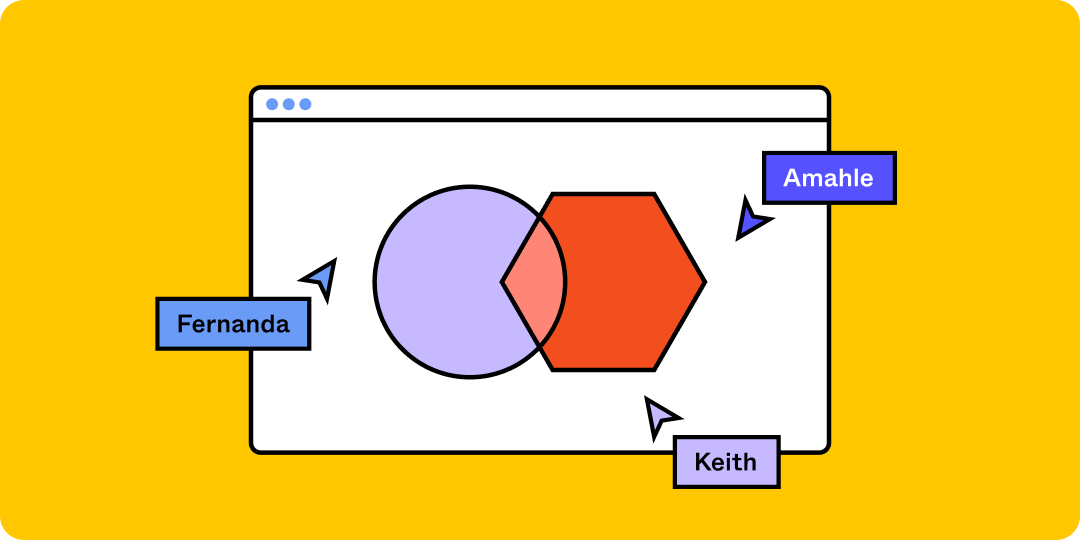
Where UX is concerned with the overall feel of a design, UI is about the specifics. If you were in an elevator, UI would be the size and arrangement of the floor buttons, while UX would encompass the colors, textures, and other interior design choices of the elevator space. UI is about giving someone the tools they need to experience your website free from complications. 

When constructing your first website, keep these UI principles in mind:

  • Functionality of interactive elements should be obvious
  • Uniformity must guide usability — actions should follow logical patterns
  • Design choices should be made with a clear purpose

Take a look at 10 essential UI design tips for a deeper dive into UI.

Use the principles of design for web starters

Effective design is guided by certain rules and it’s important to understand essential web design skills before you start. There are standard practices that will simplify the process and make for a more refined final product. 

Layout

If you want to design and build websites, understanding good layout is key. We suggest keeping things minimal and working with only a few elements to focus on the perfect placement.

When you first start designing, think grids. Grids align elements, like div blocks and images on a web page, in a way that creates order. 

The structure of a layout should follow a visual hierarchy. What are the important ideas you want people to see and in what order? Visual hierarchy needs to adhere to the common patterns people use when reading. There are two paths people’s eyes generally follow on the web: the F-pattern and the Z-pattern. Being familiar with how these patterns work will help you organize your own content. 

The F-pattern is more common for designs with dense blocks of content. People’s eyes will scan down the left side of a layout until things catch their attention and then read from left to right. Imagine looking through the menu at a restaurant — you may skip over the bold names of dishes aligned on the left until you come to something that grabs you, which will prompt you to read the supporting details explaining that specific dish.

Most people will read through something like a blog post in this F-pattern. With left-aligned text and bulleted sentences, Nelson Abalos takes advantage of this design technique, making his posts easy to navigate and follow.

The Z-pattern is associated with less text-heavy design. Many landing pages conform to this pattern. All the major elements on the Conservation Guide site adhere to the Z-pattern. If you’re a beginner web designer, this is a simple layout trick to help usability.

Color 

You have the colors of the rainbow and beyond available to you. And we all know that “with great power comes great responsibility.” The power of the color picker can be wielded for good or evil.

Here are a couple straightforward approaches in choosing a color scheme for your first website.

Monochrome

Use a single color as the base, vary the amount of saturation, include lights and darks, and play with various hues for a uniform color scheme. Regardless of your niche, a monochrome site is a smart design choice. And remember, whatever color you choose for the text, make sure you’re thoughtful about readability.

In this example from Unique, each section is delineated by a monochromatic color scheme. You don’t have to get this fancy in your beginner designs, but it’s nice to see their use of different monochromatic color variations. Notice how each section is made of colors related to the featured bags? This is a nice design trick that makes for a harmonious color scheme.

Complementary

Take colors that are opposite on the color wheel and combine them. Easy enough, right?

Use complementary colors with care. In this design below from the Ignisis website, the designer used blue and orange in different combinations along with whitespace and greys for a layout that never tires the eyes. The contrast feels crisp and refreshing.

Typography

Typography is two-dimensional architecture, based on experience and imagination, and guided by rules and readability.

-Hermann Zapf

So what are the rules that you, the neophyte designer, need to know?

Typography informs tone

Think of a wedding invitation or a funeral announcement. Both are profound life events — one a joyful celebration and the other typically more somber. Where an ornate flowery typeface works well for a wedding, it’s not well-suited for a funeral. 

When designing your first website, keep tone in mind. If you’re going for a lighthearted vibe, like a food blog, weaving in playful fonts makes sense. But if you’re crafting a website for a law firm, stick to more professional typefaces.

Serifs versus non-serifs

A common mistake of new designers is to mix up serif and non-serif fonts. You can tell them apart because the ends of serif letters have an extra line or stroke added vertically or horizontally. 

Check out the differences between PT Serif and PT Sans (without the serif).

Here’s PT Serif:

And here’s PT Sans:

Serifs are an artifact from the time of printing presses when most of the words we read were printed with ink on paper. Serifs anchored words onto the page and made them easier to read. In the earlier days of the web, serifs were shunned by web designers because lower screen resolutions diluted them. Now that screens are better optimized for typography with serifs, they’ve made a comeback.

Those small lines make a huge difference. You’ll notice the above PT Serif typeface feels more formal and the sans-serif version seems lighter and looser. 

Since serif fonts are more complicated, they’re best used in moderation. Headers are an ideal place for serif fonts, and larger blocks of content benefit from a more simplified font without serifs.

Ornamentation versus practicality

The loops and whorls of a flourished font will add personality and elegance to a design, but don’t overuse frilly fonts. A website is about communicating to an audience through content. As Hermann Zapf said, readability is one of a font’s most important characteristics. 

Typography technicalities

There’s a lot to learn with typography. As you progress as a designer, you’ll need to know how to use line height, kerning, and different weights in your typography. But don’t get too caught up in tweaking all the intricacies for your first site. Focus on making sure everything is readable — you can experiment fine-tuning the details later. 

Start designing 

Tutorials and research are invaluable to your learning, but you’ll eventually just need to dig in and get designing. Even if you create something no one will ever see, it’s still an exercise problem solving and applying what you’ve learned. Don’t worry if it’s not amazing. But be proud of crossing that threshold from aspiring designer to actually being one — you’re on your way! 

Get feedback 

You finished your first design — congratulations! You worked hard and you’re ready to show it to the world. But before you hit publish, get some outside perspective on what you made.

Getting constructive criticism can be uncomfortable. Creating something, whether it’s an essay, a painting, or a website is an act of vulnerability. The things you put into the world are an extension of who you are and what you’re capable of. To be told what you made could be better or is wrong might feel like a personal attack.

In web design, feedback is a normal and necessary part of the process. Learn how to set your ego aside and separate the feedback from your self-worth. As you gain experience, you’ll be able to identify and implement practical, useful feedback and let go of the rest. You’ll find that more experienced designers know what it’s like to be a beginner — they’re excited to see less-experienced designers succeed.

If you’re designing with Webflow, share your work in the Webflow Showcase or request help in the Webflow design forum. As you progress, you’ll want to submit to places like Dribbble and Behance to get more eyes on your work. Not only will you get constructive criticism, you’ll get feedback on what you’re doing well — which always feels great.

Webflow makes web design for beginners accessible

Gone are the days of having to learn complex front-end code to build a website. In the past, you had to depend on a developer to bring your designs to life. Today, you can design, build, and launch complex websites in just a few hours using Webflow. 

Knowing a few key concepts, and being able to know the difference between good and bad design will give you the confidence and skills to craft your first website. Webflow frees you up from having to code, opens up your creative bandwidth, and let’s you start designing immediately. 

Source

Best VoIP Services Of 2024

I was very impressed with RingCentral’s quality of calling service and the ease with which I could coordinate communication across channels, shifting from voice and text to chat and video conferencing. Moreover, RingCentral offers hundreds of third-party integrations, further strengthening one’s ability to create a truly comprehensive VoIP experience.

Bob Mesas, Vice President of Sales for Central Business Systems, also noted RingCentral’s robust service: “RingCentral is probably the most refined VoIP application on the market in terms of the features it offers. You can put it on a phone, tablet, laptop, or desktop. It also integrates with Microsoft Teams directly, and there are a lot of different plugins for CRM applications, such as Salesforce.com. If you are working in Salesforce, you can dial right out of Salesforce into RingCentral with the click of a button. It’s a very scalable solution, whether you have a couple of people or hundreds or thousands. It’s a little pricier than some of the others, but I think RingCentral more than makes up for it in features and support.”

General Features

RingCentral offers local and toll-free business numbers at sign-up and unlimited calling across the United States and Canada. When testing the service, I found the audio to be high-quality; this was also true when I later used RingCentral’s video conferencing software.

Some other features include carrier-compliant multimedia messaging service (MMS) and short messaging service (SMS). I received frequent reminders to register with The Campaign Registry (TCR), a sign that RingCentral takes carrier compliance seriously and is working toward messaging transparency. Other useful features include interactive voice response (IVR), advanced call handling features such as whisper or barge, and internet faxing.

While the entry-level Essentials plan comes with most of the features necessary for a decent VoIP service experience, some features like call recording and third-party apps such as Canva or Smarsh require a higher plan to gain access.

Additional Features

In testing RingCentral, I primarily focused on the standard features of my chosen plan. That said, RingCentral offers several add-on features to further expand your business’s communication experiences. For voice, get a free phone or non-geo number starting at $19.99 per month. You can add unlimited outbound minutes to your service for $10 per month per user, which is very convenient for companies that expect to place many calls in any given month.

RingCentral Webinar starts at $63 monthly per host and comes with a free trial for new subscribers, which lets you get the most out of the service without immediately committing to the add-on. Licenses, such as for push-to-talk, start at $7 per month.

Customer Reviews

RingCentral is an extremely popular VoIP service, with thousands of customer comments across various websites. Satisfied customers appreciate the wide range of call, text, chat and video features. Their feedback largely aligned with my own experience using the service. Additionally, the satisfied customers mentioned that RingCentral saved them money, and they found it to be a very convenient all-in-one platform.

Meanwhile, the negative feedback from customers repeatedly mentioned their unpleasant support experiences. For instance, some mentioned a lack of available agents or inconsistent communication.

Pricing

Compared to other VoIP service providers, RingCentral’s $20 per month starting price is more expensive than some. For instance, both Google Voice and Zoom have free plans as well as premium plans that start at $10. However, RingCentral offers more comprehensive features and the potential to incorporate hundreds of third-party apps into your service experience.

The range of features, I think, could ultimately make it good value for money, and if your company has the budget, RingCentral is worth consideration.

Mobile and Desktop Apps

When testing RingCentral, I downloaded the apps for mobile and desktop use. In my experience, the app functioned uniformly across all platforms; I was able to start communication on my laptop and continue on my smartphone without missing a beat. I think this level of flexibility is very convenient for situations where you begin communicating on one device but need to resume a call or chat on another.

Customer Service

I am not sure it’s fair to say that RingCentral has 24/7 support—unless you count an artificial intelligence (AI) chatbot as an agent. While the chatbot is perpetually available, in my experience, it did not always provide the exact information I needed. I also found that it difficult to connect to a live support agent.

Who Should Use It?

RingCentral is best for businesses that need a comprehensive VoIP solution with robust features.

Learn more: Read our full RingCentral review.

Source

What Is Web Design? A Comprehensive Guide


What is web design?

Web design has come a long way since the first site was published in 1991. With over one billion live websites on the internet today, it’s no surprise that this industry is here to stay. Wix is home to thousands of website design professionals, enthusiasts, and designers who are empowering the industry to reach new heights. So, if you’re here to learn more about the world of web design, you’ve come to the right place.

As a preliminary to learning how to design a website, this article will hone in on the role of web design and go over helpful tips by defining critical terms and ideas, and looking at examples that will give you further insight.

Ready to put your website design skills to action? Start designing your site now.

Here’s what we’ll cover:

01. What is web design?

Web design is the art of planning and arranging content on a website so that it can be shared and accessed online with the world. A combination of aesthetic and functional elements, web design is a type of digital design that determines the look of a website—such as its colors, fonts, graphics and user interface (see our guide on website design best practices).

Today, creating a website is one of the pillars of having an online presence. Because of this, the world of web design is as dynamic as ever. It is constantly evolving, including mobile apps and user interface design, to meet the growing needs of website owners and visitors alike.

Web design is often a collaborative process that combines knowledge and tools from related industries, ranging from web design statistics to SEO optimization and UX. Web designers will often bring together professionals from these areas who can optimize performance and focus on the larger process and outcome.

web design examples

02. Web design vs. website development

The first step in our web design journey is to clarify the difference between web design and website development, since the two are closely related and often (mistakenly) used interchangeably:

The following are some basic markup languages most commonly used by web developers to build a website:

  • HTML or HyperText Markup Language, is a coding language used to create the front end of websites. It is written to include the structure of a web page and carried out by web browsers into the websites that we see online.

  • CSS or Cascading Style Sheets is a programming design language that includes all relevant information relating to a webpage’s display. CSS works with HTML to design the style and formatting of a website or page, including the layout, fonts, padding, and more.

However, if you use aCMS (a computer software application that manages the digital content of a website) you can learn how to make a website and make updates without the knowledge of using code. Wix is an example of a CMS, which functions as a user-friendly system for website content development. Wix even offers you a way to design a website with AI, as well as an advanced solution for web designers called Wix Studio.

03. Web design tools

Web designers require their own unique set of tools to create and design. There are a few key elements that will determine which types you’ll use, and at which stage you’ll need them.

Here are a few questions to consider: How big is your team? What kind of budget do you have? What kind of technical requirements will your site need? What is the overall aesthetic you wish to achieve? Will you create an adaptive or responsive design? What is the purpose of your website? The answers to these questions will also help you understand​​ which kind of website builder you want to work with, or other design software tools.

Website builders like Wix are great since they don’t require code, and come equipped with a range of ready-made templates suitable to every industry. For novice web designers, website builders are a great foundational tool that can easily be customized both in terms of visual elements and functionality. For more experienced web designers, Wix Studio is the ideal platform with more advanced features for layouts, interactions, effects and designed assets.

Design software tools such as Figma, Photoshop and Sketch can be used to create wireframes, custom features and design elements. However, the major difference with these tools is that all elements must be converted to code. While these tools offer creative flexibility and collaborative integrations like hand-off features to web developers, they can require more time, knowledge and resources.

As you gain more experience with a range of web design tools, you’ll know which are best suited to you and your business needs.

04. Principles of design applied to websites

One of the first parts of understanding what web design is knowing what good web design is—and how to achieve it.

We can have a look at the principles of design for reference, a theory practiced by artists and designers which outline the visual qualities any composition should aim for. Applying these principles to web design can help beginner and advanced web designers alike achieve a site with a harmonious look and feel.

Of course, these are not strict rules to follow, but rather guidelines to learn how we can apply the various elements of a website’s design. Take it from Picasso, “learn the rules like a pro, so you can break them like an artist.” Once you understand the goals of web design and become more comfortable with each website element, you can tweak the approach with a more creative touch.

Let’s explore the following principles:

what is web design: principles of design applied to web design

Balance

Visual balance means ensuring that none of the elements in a single composition are too overpowering. This can be applied to web design by drawing an imaginary line down the center of a webpage and arranging elements so that the visual weight is equal on both sides.

There are two main ways to achieve balance on a website:

  • Symmetrical balance is when the visual weight on both sides of that line are equal and arranged like a mirror image. When applied to your web design, this can evoke feelings of balance, beauty and consistency.

  • Asymmetrical balance is when the visual weight is equal on both sides, but the composition and order of elements will vary (i.e., not a mirror image). A balanced asymmetrical design is considered a modern website design approach and will create a more dynamic experience for the viewer, while maintaining a harmonious composition.

principles of design applied to web design: balance

Contrast

Contrast refers to arranging juxtaposing elements in a way that highlights their differences: dark and light, smooth and rough, large and small. When contrast is in the picture, it’s dramatic and exciting qualities can captivate visitors as they scroll through your site.

principles of design applied to web design: contrast

Emphasis

The principle of emphasis reminds us that not all website elements are equal. Whether it’s your logo, a CTA, or an image; if there’s something on your webpage that visitors should notice first, applying the principle of emphasis with the use of bright color, animation, or size will ensure it’s the dominant aspect of your composition.

principles of design applied to web design: emphasis

Movement

When applied to web design, movement is what guides visitors from one element to the next. By controlling the size, direction, and order of elements on an individual web page’s composition, you can direct the movement of the viewer’s eye throughout your site.

principles of design applied to web design: movement

Rhythm

Rhythm refers to the repetition of elements in order to create consistency, cohesiveness, or to amplify a certain message. Repeating characteristics such as your logo, brand colors, including complementary colors, and using the same typeface, will also strengthen your brand identity and presence on the web.

principles of design applied to web design: rhythm

Hierarchy

Placing your business name at the bottom of your homepage is simply poor web design practice. Can you guess why? First-time visitors would have to scroll all the way down your site to know who you are. This is something we understand from the principle of hierarchy, which teaches us that the most important content should be placed in a prominent spot where visitors immediately see and interact with it.

principles of design applied to web design: hierarchy

White space

In art and design, any area of a composition that’s void of visual elements is referred to as white space (psst: even when it’s not actually white). This might not seem like a critical thing to pay attention to, but the conscious arrangement of white space in web design will give the visual elements of a webpage room to breathe. It can also help achieve other goals in your composition, such as hierarchy, balance, emphasis, and more.

principles of design applied to web design: white space

Unity

Unity is the culminating effect of all the individual elements you’ve added to your site, ideally resulting in one harmonious composition. The goal of unity in web design is to ensure that visitors will not get overwhelmed, confused, or turn away from your site.

It might take a few tries to get it right, but once you achieve a unified web design, you can ensure that each aspect of your site plays a valuable role in its function and performance. This also means paying attention to what elements you include, where and how you position them, and if they are truly serving a purpose.

principles of design applied to web design: unity

05. Website layouts

Planning your website layout is like setting its foundation, since it will determine the arrangement and sequence of visual elements on each page of your website. This critical step in web design plays a role in a site’s visual appearance, level of usability, and amplifying its message.

The best layout for your website can be determined by a variety of factors: the goals of your website, the message you want to convey to viewers, and what kind of content you’ll include. While there’s no “one-size-fits-all” solution, there are two major directions you can take:

  • Layouts to accommodate your content: The layout you choose should be fitting for the type of content. For example, if you want a layout that will showcase products you might go for one that leaves ample space for highlighting images. A blog layout, on the other hand, will need to convey new information in an organized way.

  • Common layouts: There are plenty of tried-and-tested website layouts out there. These tend to feel familiar to users, as they build on their existing expectations or past experiences of other websites. Since they may result in a more intuitive, easy-to-use interface, they can be great for beginners.

When designing a website of your own, you can use website templates in a wide range of categories to provide a solid infrastructure for your site’s layout. If you want to design a layout from scratch, we recommend using wireframes to start. This process will allow you to draft out the layout of your website before the implementation process.

web design website layouts

06. Functional components of web design

Website functionality essentially refers to how your website works; everything from its speed and ease of use, to what specific actions can be performed on it.

At the risk of dating myself, when I think about how speedy and efficient websites function today—compared to the ‘90s (I can hear AOL’s dial up signal in the background), I’m reminded that we’ve come a long way. Given the advancements across the industry of web design, it’s in our best interest to utilize the modern tools available to guarantee our websites perform well, and are easy to use.

Let’s go over the components of web design that will affect how your site functions:

Navigation

A single web design can consist of multiple pages and items to be viewed or used by the visitor. Website navigation is what lets visitors find the webpages they need after they arrive at your site.

Adding a navigation menu to your design is the best way to provide smooth navigation for visitors. A website’s menu links to multiple items on your site and serves the user by helping them navigate between different pages and sections.

Depending on your site’s design, you might choose between the following types of menus:

web design classic navigation menu web design sticky menu exampleweb design hamburger menu exampleweb design drop down menu exampleweb design sidebar menu

Speed

Speed measures how quickly your site fully loads after a visitor enters it. No one, especially in our fast-paced generation, likes a slow website. It’s got to be performing at high speed. In fact, studies show a 38% rise in bounce rates when a webpage’s loading time surpasses 3 seconds. No matter how pretty the web design is, you can’t compete unless you’re providing visitors with the smoothest browsing experience.

Many factors can affect the loading time of a page; some are related to a visitor’s own device or internet connection, while others might be specific to the website they’re attempting to browse. Today, there are proven practices and tools checking for auditing your site’s performance and improving the loading speed of its pages. You can also learn more about Wix Performance here.

SEO

SEO, or search engine optimization, is the process of optimizing a website so that it ranks well on search engines. Since it plays a big part of your website’s success, we think it deserves to be included here with the functional elements. The more people who are able to find you on Google means the more visitors you’ll have using your website.

Although SEO is an ongoing task, there are steps you can take to integrate website design with SEO from the get-go. For example with Wix’s SEO solutions, your site’s built-in infrastructure will already support positive performance.

There are a number of common SEO practices you can take before hitting publish, too: include headings in your content, add alt text to images, use meta descriptions on relevant pages, and choose a domain name that represents your brand or business.

web design functional elements seo

UX

Since the explosion of computer usage in the 1980s, the tech industry has constantly been exploring how human beings can better interact with technology. This is the practice of UX design —or user experience—and when applied properly to web design, it can have a great impact on the user’s journey.

The term UX is often used interchangeably with “user interface” design or “usability,”, which are really , in reality, a part of the larger UX vision. While UX designers are concerned with these aspects of a product, they are also involved in looking at the big picture, finding ways to perfect and develop the products, branding, design, usability, and function.

The process of is meant to ensure that a website encompasses high-quality interactions, content, products and services, by improving these seven factors:

  • Useful

  • Usable

  • Findable

  • Credible

  • Desirable

  • Accessible

  • Valuable

Adaptive design vs. responsive design

Today, mobile devices account for over half of online traffic, making it critical to adapt our websites to the small screen. There are two types of styles that make it possible to shift a web design from its desktop version to mobile: adaptive design and responsive design. Knowing the difference between the two will come in handy, especially when choosing the website builder that’s best for you as most platforms will support one of the two:

  • Adaptive design involves creating different versions of the same website, where each can adapt to a different size screen, or browser width. For example, with Wix, our users can arrange the layout for their site’s desktop version, and will be provided with a mobile website adaptation that is customizable.

web design responsive vs adaptive design

07. Visual elements of web design

A website’s visual elements are just as important as the functional qualities, and work together to shape its overall look and feel. From color schemes to fonts and video, these details play a role in user experience and the shaping of your brand. In the age of skim reading, it is especially important to make sure every element pops. In this section we’ll go over the visual elements of web design, along with some tips for making aesthetic decisions of your own:

Website header

A website header refers to the very top section of a website page, and is the first thing visitors see when they arrive at a site. In such a strategic location, a header is generally used to display a navigation menu, business name, a logo or contact information.

web design elements website header

Website footer

A website footer is located on the bottom of the page and is fixated every page of your site. Since it’s the last thing visitors will see, it’s a good place to add and repeat important information they may have missed, without taking up too much visual real estate. A footer is also a common place to include contact details, a map, an email sign up bar, or social media buttons.

web design elements website footer

Color scheme

When it comes to web design, your website color scheme will set the tone for your site. Not only that, but splashing a branded color scheme strategically throughout can play a key role in strengthening your online branding.

When determining a site’s color scheme, decide which hues will represent your primary color (the one that’s most dominant on your site), secondary color (used consistently, albeit more sparingly than your primary color), and the accent colors (used in clever ways to highlight certain details of your site).

web design elements color scheme

Typography

Typography refers to the visual aspects of type, such as the choice of font and arrangement of text. A crucial part of web design, typography can be used to complement a website’s aesthetic style, or to strengthen the written messaging throughout a site.

When choosing the best fonts for your website, consider the fact that typography can be as important as the words themselves. You’ll want to choose fonts that are readable, suit the stylistic theme of your site, and above all—on brand. Similar to a color scheme, you can pick primary, secondary and accent fonts to direct the way a visitor experiences your written content.

web design visual elements typography

Website background

Setting the tone for your page, the website background plays an important role in web design. Whether it’s static or animated, solid or textured—the background is what follows visitors consistently as they scroll.

You can upload any image or video to become your website background, use a brand color, go for a trendy gradient background or opt for a minimalist theme and leave it white. Whichever you decide, make sure it fits into the overall visual theme of your site and grabs visitors attention without being too distracting.

One way to add more excitement to a background is by implementing scrolling effects, such as parallax scrolling—a trendy favorite of both professional web designers and beginners.

web design visual elements background

Imagery

In just a few seconds, your website imagery can strengthen the message you send to visitors. This might mean displaying your business’s products or location, uploading photos from an event, including a branded favicon, or using an icon maker to add a bit of flair to your site’s design.

Wix provides a rich library of free visual content – from stock photos to collections of innovative designs, like the transparent videos we purchase from some of our talented users. When working on a web design, our users also have the ability to upload their own images, stock photos from sources like Unsplash, custom animations or vector art.

web design visual elements imagery

Animation

One of the goals of web design is to set your site apart from others. Adding animation to a website is a great way to do that, and can help direct your users’ experience and action. You can include animation throughout your site to create a more dynamic experience for viewers, or to trigger certain reactions.

For example, try adding a touch of animation to:

  • A CTA button to encourage visitors to click

  • Elements like arrows to provide direction for users

  • Loading bars to make their (hopefully short) waiting time more exciting

  • Things that you want users to pay attention to, such as a lightbox for email signups

web design visual elements animation

08. Website maintenance

The web design industry is one that’s constantly introducing new features, tools and solutions. The down side of this quickly evolving world is that it requires you – and your website – to stay constantly up-to-date and implement a website maintenance plan.

After you’ve completed your first design, you’ll eventually have to update your website to ensure the content is relevant, and the design is not obsolete. While seemingly futile, any outdated elements on your website can negatively impact your visitors’ interactions, resulting in decreasing overall performance and sales.

Check in on your website at least once a month to make sure there are no bugs, everything works properly and that your information is current. When considering a redesign, think about the changes you can make to keep your web design relevant, improve it’s ease of use, or amplify its performance. This might mean adding fresh visual content, an extra page, working on SEO, or performing an accessibility audit.

09. Web design inspiration

Now that we’ve covered the basics of web design, it’s time to seek creative examples. Web design inspiration is everywhere, and we recommend you regularly browse through sites like Behance, Awwwards, and Pinterest to find new ideas.

Here at Wix, we’ve got our finger on the pulse of web design trends, and are constantly on the lookout for the best websites made by users. We love seeing what these proud website owners do with our product – from artists to small business owners, and everyone in between.

Check out the following “best of” websites for inspiration of your own:

best web design examples

Web design FAQ

What does a web designer do?

A web designer is responsible for the visual appearance and layout of a website. They work closely with clients to understand their needs and goals, and then they create a design that is both aesthetically pleasing and user-friendly. Web designers use a variety of software tools to create their designs.

What are the 3 types of web design?

Can you teach yourself web design?

What qualifications do you need to be a web designer?

Source

Web Design Explained: Key Elements & Best Practices


what is web designwhat is web design

Savvy brands know that a well-designed website helps build trust with their target audience. But what does it take to actually make a good web design? Visual appeal is important, but making your website easy to understand is key to user-centric design.

Read on to learn more about:

  • What good web design is—and how it benefits your organization
  • The fundamentals of website design
  • Web design best practices you can apply with Figma

Web design involves creating attractive, user-friendly web pages and web-based apps. User experience design, user interface design, and visual design all play key roles in the web design process. Web design teams take both form and functionality into account, balancing strong visuals with sound usability.

When users land on a web page, it takes them just 50 milliseconds to form an opinion about it. That’s why good web design matters. Not only does it help you make a great first impression, but it can also:

  1. Build your brand identity. Compelling, cohesive web design makes your brand memorable, helping your business stand out and connect with users.
  2. Improve user experience. Simple, intuitive website design makes it easy for users to understand and find what they’re looking for.
  3. Increase visibility among your target audience. Good web design helps drive search engine optimization and better search rankings.

Web design vs. web development: What’s the difference?

Web design leans on visual, UX, and UI design to shape a website or app’s look and feel. This covers design elements such as your brand’s color palette, fonts, and typography. It also includes UX design for page templates, wireframes, and prototyping.

Meanwhile, web development applies coding languages such as hypertext markup language (HTML), cascading style sheets (CSS), and JavaScript (for dynamic content). Web developers turn wireframes and prototypes into working web pages, bringing back-end functionality to front-end design.

Want your web design to make a positive impact on your company’s bottom line? Start by addressing five key components of web design:

Content

Before you jump into design mode, consider what content users need. On-page elements such as headers, text, images, and CTA buttons can support user goals and needs.

Layout

Arrange web page content for an easy-to-use, accessible user experience. Use wireframes to structure page information with basic headings and UI elements, then build prototypes to create and test interaction flows.

Navigation

Most websites use menus, bars, breadcrumbs, or sliders for navigation. Design and validate nav elements to get users where they need to go quickly and easily.

Visual style

Use your brand style guide to build visual elements with a consistent color scheme, imagery, and typeface. Apply graphic design principles to build in visual hierarchy, balance, movement, and white space.

Function

Good web design factors in metrics like page loading time and mobile device usage. Fun fact: An ecommerce site that loads in just one second has a conversion rate that’s 2.5 times higher than a site that takes five seconds to load.

To plan and design high-quality web pages that resonate with your users, keep the following web design best practices in mind:

  • Design for your users. User research helps you understand your target audience—it’s a generative first step in human-centered design.
  • Opt for mobile first. On average, more than half of website traffic comes through mobile devices. If your target audience spends more time on mobile, prioritize designing for smartphone browsers and mobile apps.
  • Apply responsive web design. Organize your website content on a flexible grid system, so that your pages dynamically adjust to fit different screen sizes.
  • Grab your users’ attention. Add interactive elements such as animations and videos to engage and guide users.
  • Design for readability. Set visual hierarchy with different font sizes, weights, and typeface combinations to make web pages easy to scan and read.
  • Boost SEO by designing a mobile-friendly, responsive website. Include accessible, user-centric content that’s easy to share across social media platforms.
  • Test and refine. Perform user testing to rev your web designs before translating the designs into HTML, CSS, and JavaScript.

Looking for inspiration to help you kick off your web design process? Visit the Figma community, where design pros share their know-how — including expertly crafted web design templates and examples. For more on web design, consults these resources:

Ready to create engaging, user-friendly web pages?

Source

How to learn web design in 9 steps (+ best

Start with a solid foundation by learning the basics of UI, UX, HTML, CSS, and visual design.

Learning how to design a website is an effort-intensive process. Starting with the fundamentals will save you time fixing errors later.

This guide covers everything you need to better understand web design so you can start the creation process with a big-picture perspective. As you read through, bookmark the more in-depth guides along the way. 

What’s web design, and what elements make it work?

Crafting a website is part artistry, part science. Designers turn concepts into aesthetically pleasing sites that enable an audience to take the site owner’s intended actions, whether it’s making a purchase or signing up for a service.

Web design involves several subdisciplines, like user experience (UX), user interface (UI), and search engine optimization (SEO). Good designers should know the fundamentals of these subdisciplines.

To create an effective (i.e., engaging and user-friendly) site, web designers need the following skills: 

  • Attention to detail — A great designer notices granular details, styling each element carefully while never losing sight of how they’ll all come together.
  • Adaptability — Designers must be skilled in various software and techniques to pivot strategies to reach multiple audience types.
  • Organization — The arrangement of text and visuals on each page must intuitively direct users through the site. A skilled designer creates sites that deliver users to their destination in the fewest clicks.
  • Innovation — The best sites are both unique (to keep the viewer engaged) and follow the user’s navigation expectations (so they can take their intended action).

Web designs are powered by the backend

The backend is everything that runs behind the scenes when displaying a website — back-end developers are the people who make it work.

Websites reside on servers. When a user navigates to a specific section of a site, the server shows them a file filled with HTML and CSS that determines how the browser displays the content. It’s this back-end file that developers work on to ensure the site loads correctly and is search engine-optimized.

Back-end developers are often programmers who work in coding languages such as PHP. They also might use a Python framework like Django, write Java code, manage SQL databases, or use other programming languages or frameworks to ensure that servers, applications, and databases work together correctly.

The front end relates to what site visitors see

If the back end is the server side, the front end is the client side. The front end is where HTML and CSS — along with JavaScript and other coding languages — work together to display a website. Front-end development focuses on the parts of a web design that people engage with. It’s all about organizing information and presenting it in a way that’s visually appealing and usable.

Good visual design makes websites stand out

A series of purple cubes with measurements surrounding them.

Though the best web designs look effortless in execution, they’re all based on the guiding principles of visual design. Some rare web designers have an innate eye for visual design, but most must learn and practice the rules of composition. Over time, you’ll understand how elements like shapes, space, color, and geometry come together to form sound web design.

How to become a web designer: 9 steps

Building websites is more accessible than ever, thanks to online courses and thorough design software documentation like that on Webflow University. That said, some fundamental principles make for a solid foundation to build on. The following nine steps are an ordered approach to learning these principles so you can fast-track your education.

1. Understand the key concepts of visual design

Effective web design requires you to understand the basic artistic principles you can leverage to make your designs more appealing. If you’ve ever taken an art class, the following fundamentals might look familiar, though applying them to web design is slightly different.

Line

Every letter, border, and division in a web page layout is made up of lines that form the larger structure. As you learn web design, you’ll learn how to use lines to create order and balance. For example, you might create borders to separate elements on a page or horizontal lines to bookend paragraphs.

Shapes

The three basic shapes in visual design are squares, circles, and triangles. Squares and rectangles work well for blocks of content, circles for buttons, and triangles for icons that accompany important messages or calls-to-action (CTAs). 

Shapes also evoke specific associations — squares with strength, circles with harmony and comfort, and triangles with importance and action.

Texture

Texture replicates something in the real world. Through texture, we understand whether something is rough or smooth. 

You’ll notice textures throughout popular web designs, from paperlike backgrounds to the colorful wisps of a Gaussian blur. Thoughtfully using texture can make your designs more interesting and give them a sense of physicality.

Color

To create sites that aren’t an eye strain, educate yourself on color theory. Understanding the color wheel, complementary colors, contrasting tones, and the emotions that different ones evoke means you can more strategically design your site. 

A huge part of learning front-end web design is knowing what color combinations look good together — generate ideas by creating a few palettes with a tool like Coolors.

2. Learn HTML basics

HTML determines how a website’s content, images, navigation, and other elements display in a browser. Though you don’t need to be an expert in HTML to become a web developer, it helps to be familiar with how it works, even if you’re using a visual-based design platform like Webflow. 

HTML tags are the instructions a browser uses to generate a website. These tags control headings, paragraphs, links, and images. You’ll especially want to know how header tags like H1s, H2s, and H3s create content hierarchy. In addition to affecting layout structure, header tags help web crawlers classify a site, which affects where your site lands in organic search rankings.

3. Understand CSS

CSS provides styling instructions for HTML elements. Applying fonts, adding padding, setting alignment, and choosing colors are all possible through CSS. Knowing how this styling works gives you the skills to create unique-looking websites and customize existing templates.

A CSS class is a list of attributes that come together to style elements. For example, 

p {

  color:red;

}

The “p” at the beginning refers to the

HTML tag used to create paragraphs. When you give them the “color: red” attribute, every letter in every paragraph on your pages will appear red. You can style any complete HTML element this way, or you can create classes that you apply to specific elements, like:

.red-text {

color:red;

}

With this class in your CSS file, you can style specific HTML elements to use red text, such as:

This is red text

The above text would appear red in this example, but other paragraphs on your site would remain unaffected.

4. Learn the foundations of UX design

Beginners in web development often confuse UI and UX. In short, UX covers how users experience your site — whether they find it straightforward to navigate, if the visuals are intriguing, how they feel as they journey through it. UI focuses on a site’s interactivity, complementing the UX designer’s user-focused goals to ensure the site “hits.”

Here are a few fundamental UX principles you’ll need to consider.

User personas

Web design means understanding end users. You’ll conduct target audience research, create user personas, and figure out how to use this information to optimize a design for an audience’s needs.

Information architecture

Without clear organization, people will get confused and leave your site. Information architecture and content mapping provide a blueprint for how each section of the website works together to give a straightforward customer journey.

User flows

User flows plot how people move through a design. They help you prioritize the most critical sections and ensure people can access them seamlessly.

Wireframes

Wireframes show where headings, text, visuals, forms, and other elements will be located on a web page. Even if you’re building a simple one-page web design, mapping out a wireframe gives you a solid guide to work from. Wireframes are essential to creating a consistent experience and structuring layouts as you move on to more complex UX designs. 

Prototyping

Prototypes represent a functioning web design. Images, interactions, content, and other essential elements replicate the real-world design. Then, these mockups are sent to a test group of users who give feedback on the UX.

5. Familiarize yourself with UI design

UI work includes all the mechanisms that put a piece of technology into action. A doorknob is a user interface, as is the volume control on your car radio. Just as buttons and knobs enable users to interact with machines, user interface elements on a website allow people to put actions into motion.

Interacting and engaging with a website should be consistent and follow repeatable patterns. Users landing on a site should immediately understand how to navigate it, so the controls must appear obvious in their functionality. 

Whether minimizing the number of navigational options, making the checkout process quicker, or integrating interactive elements that increase accessibility, understanding UI best practices streamlines how people interact with your website.

6. Understand the basics of layouts

People latch onto familiar design patterns, making for an accessible route through a site. You likely intuitively know where to look because you’ve seen these patterns before. So, understanding common web design patterns helps you create websites that flow smoothly. 

Z-patterns and F-patterns are the most common reading paths on sites.

Two patterns side by side, using arrows and numbers to represent reading patterns. A Z-pattern is on the left, and an F-pattern is on the right.

Z-pattern

For layouts with generous amounts of negative space, such as landing pages, the Z-pattern is an efficient way to cruise through a website. When you start paying attention to where your eyes are going through a design, you’ll immediately recognize when a Z-pattern is in place.

F-pattern

Designs heavy on text, like for an online publication or blog, often follow a distinct F-pattern. On the left side is a list of articles or posts, and the relevant information is in the main body of the page. Optimize this pattern to give people all information they need, even at a glance.

Understand responsive web design

Along with understanding layout patterns, it’s also essential to know the fundamentals behind responsive web design. A responsive web design has a consistent look no matter what device users display it on.

7. Learn about typography

Typography serves several purposes in web design. It makes content legible, but it can also evoke emotions. The tasteful use of stylized typography adds to the overall aesthetic of a site.

Here are the three basic typographic types:

  • Serif typefaces have minuscule lines (known as serifs) that decorate each letter
  • Sans serif typefaces lack the identifying lines of serif typefaces
  • Display typefaces are often used for headlines and can be either large and impactful or made of sharp, thin lines. They usually have sophisticated letterforms and are meant to grab attention

8. Put your knowledge into action and build something

You can watch tutorials, read blog posts, enroll in free web design courses, and absorb all the theory and information you want about web design, but the best way to become a web designer is to begin designing.

Start with a simple project like a blog. Creating one gives you practical design experience as you learn how to use a content management system. Plus, blogs are popular with clients looking to increase their website rankings in search results, so you can use this initial design to practice crafting something you’ll likely do often.

An image of Webflow's blog template Source: Webflow Templates

It’s crucial to select the right design tools from the start to avoid having to relearn a new tool later. Webflow offers beginners and experts the tools to create visually stunning sites — with or without writing code. It’s a great platform to start on and stick with long term.

9. Find a mentor

Mentors are valuable because they’ve been where you are — at the very beginning — and want to help you through the hard-earned lessons they’ve learned. They have a deep well of expertise and knowledge and are an excellent resource for getting feedback on your work, identifying your strengths and weaknesses. 

Try contacting friends or checking social media for mentors open to new students. When searching, consider finding someone who does the type of design you admire and specializes in what you want to learn.

A platform to design websites like a pro

Learning the fundamentals behind visual design, the basics of UI and UX, and how the front end and back end function sets you off on the right foot to becoming a well-rounded designer. 

When you’re ready to start practicing, Webflow empowers beginners and experts alike to build, manage, and grow professional-grade websites. 

Webflow offers fully customizable page structures, components, and beginner-to-advanced styling options so you can move at your own speed. And the Webflow CMS helps you make content-rich pages and collaborate with mentors and teammates as you learn this new craft.

Source

What Is VoIP? Voice Over IP Calling Explained

VoIP technology promises cheaper and more versatile calls than traditional phone solutions. But how does it work, and can you call anyone over VoIP? Here is all you need to know about Voice over IP calling.

Calling Over the Internet

Google Voice Google

VoIP, or Voice over Internet Protocol, is a technology that allows you to make calls over the internet instead of traditional phone lines or cellular connections. Although its name suggests that it only enables voice calls, modern VoIP services are far more capable and can offer video calls, file transfer, group calls, and much more. It’s also referred to as IP telephony or internet telephony.

VoIP calls can be made using computers, smartphones, tablets, special VoIP phones, traditional phones connected to an adapter, and other internet-connected devices.

Some of the most popular implementations of VoIP technology are found in consumer-grade applications like FaceTime, Google Voice, Skype, and WhatsApp. However, it’s also used by businesses for their communication needs.

How Does VoIP Work?

In VoIP calling, your analog voice signal is converted into a digital signal and transmitted over the internet using data packets. It first reaches your VoIP service provider, who then routes it to the receiver, where it’s converted back to a voice signal.

The receiver can be anyone: a user of the same VoIP service, a mobile phone, or someone with a landline, as long as the VoIP supports calling them. Depending on the service, they may not be required on the same service as you or have a VoIP phone.

What Do You Need for VoIP Calling?

There are three main requirements for making a VoIP call: an internet connection, a VoIP service, and the necessary hardware.

Related: How to Make Voice and Video Calls on Skype

For most people, VoIP calling typically means opening up a VoIP app on their internet-connected smartphone and calling a contact. It’s called software-based VoIP and is available via dozens of apps on all popular platforms, including Android, iOS, macOS, and Windows. Some of the most popular VoIP apps for non-business users are Facebook Messenger, FaceTime, Google Duo, Signal, Telegram, and WhatsApp Messenger.

Hardware-based VoIP services require a special VoIP phone or analog telephone adapters (ATA) connected to a regular landline phone. Both connect to your router to access the internet and provide the calling functionality. In the case of hardware-based VoIP services, you are typically allotted a virtual phone number, or you can port an existing number.

Who Can You Call Over VoIP?

Depending on your VoIP service, you can either call other people on the same service or anyone with a phone number. The charges for VoIP calls also differ based on which service you are using and whether you are calling a person on the same service, a local number, a long-distance number, a mobile number, or an international number. Most consumer-grade VoIP services available via an app on your phone or computer are free but only allow you to call other members of the same service.

Related: How to Make a Facetime Audio Call

What Are the Benefits?

Skype on mobile Microsoft

VoIP services have several advantages. One of the key reasons why people gravitate towards VoIP calling is its cost-effective nature. You either get to make free calls, or when you are paying for it, its overall cost is lower than traditional landline or cellular calls.

Related: How to Make Audio Calls with Google Duo

Beyond that, VoIP offers far more features than regular voice calls. Depending on which device or service you use to make a VoIP call, you can access group calls, video calls, call recording, customizable caller ID, and much more. Of course, standard call features like call waiting, call forwarding, regular caller ID, and more are also available.

Additionally, if you have sufficient bandwidth, VoIP calls typically offer better audio quality. Plus, you are not restricted by your location; you can use VoIP services anywhere you have an internet connection.

Another significant advantage of VoIP is the consolidation of communication technologies in one system. You typically get the voice, video, and text-based communication methods in one place. This is very helpful for both individual users and businesses.

Are There Any Drawbacks?

VoIP services offer many benefits, but there are a few downsides as well. Most importantly, not all VoIP providers support calling emergency services by dialing 911.

Additionally, as internet connectivity is a vital part of the VoIP service, you won’t be able to make a call or receive it in case of an internet outage. Power outages can also impact VoIP calling, depending on your service or hardware. That said, some VoIP services allow users to forward calls to regular landlines or cellphones in case of an outage.

Also, as the call quality depends on internet bandwidth availability and connection quality, you may experience dropped calls and other artifacts if the connection speed drops or there is limited bandwidth availability.

Related: What Is End-to-End Encryption, and Why Does It Matter?

Directory assistance is another feature that may or may not be available with every VoIP service. Lastly, VoIP services are also at risk of eavesdropping and cyberattacks unless your service provider has put proper safeguards in place, including encryption. Even if they do use encryption, though, there can be different levels to it. For example, Signal voice calls are end-to-end encrypted by default (meaning even the Signal Foundation can’t listen in), but Telegram calls are not.

Should You Transition to VoIP?

There is a good chance you are already using VoIP as a part of the apps like FaceTime, Skype, Telegram, or WhatsApp. But if you aren’t, these smartphones and computer VoIP apps are a great starting point for using internet telephony.

Beyond these apps, you can also choose VoIP for your residence or business. But that is typically more complex and expensive. Most of the complexity, though, is limited to the initial setup. Once you are all set, it’s cheaper and feature-rich.

That said, it’s a good idea to weigh your options and consider the benefits and drawbacks before making the jump.

Related: How to Switch to VoIP and Ditch Your Home Phone Bill Forever


Source

Skip to content